
Summary:
-
The “Synthetic Witness” crisis jeopardizes justice by creating realistic deepfakes that deceive judges and juries into false accusations.
-
Defendants exploit deepfake technology to sow doubt in genuine evidence, hindering prosecutors in proving guilt beyond doubt.
-
AI-generated fake videos pose a threat to privacy and justice, manipulating emotions and intimidating witnesses to obstruct the truth.
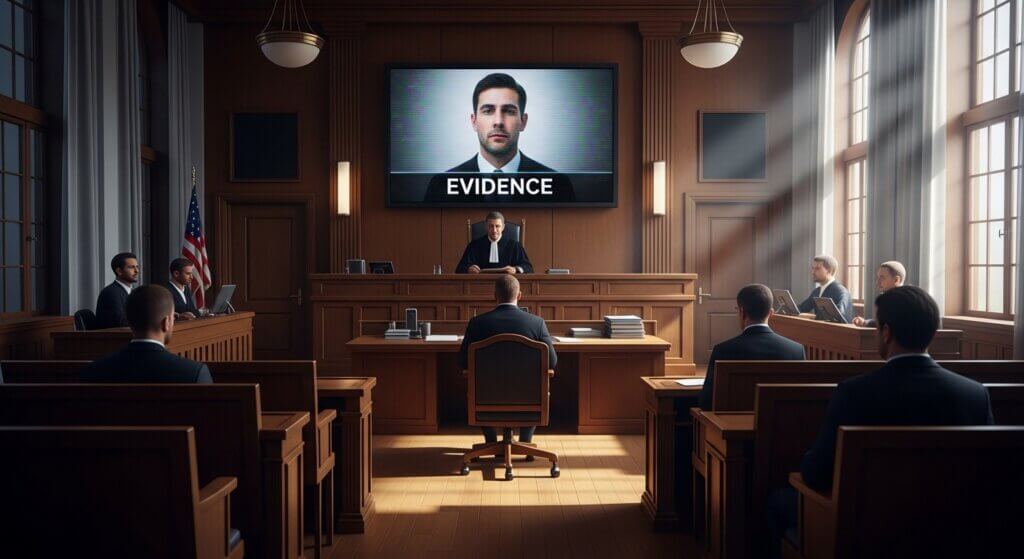
The “Synthetic Witness” crisis emerges when court evidence includes AI-created images and audio and video content to wrongfully accuse innocent individuals and falsify event details. Judges and juries can no longer trust their own hearing and seeing abilities to separate genuine recordings from fake ones because deepfakes have achieved perfect realism. The new technology endangers the core element of justice which used to establish truth through visual evidence as the universal standard.
The Liar’s Dividend
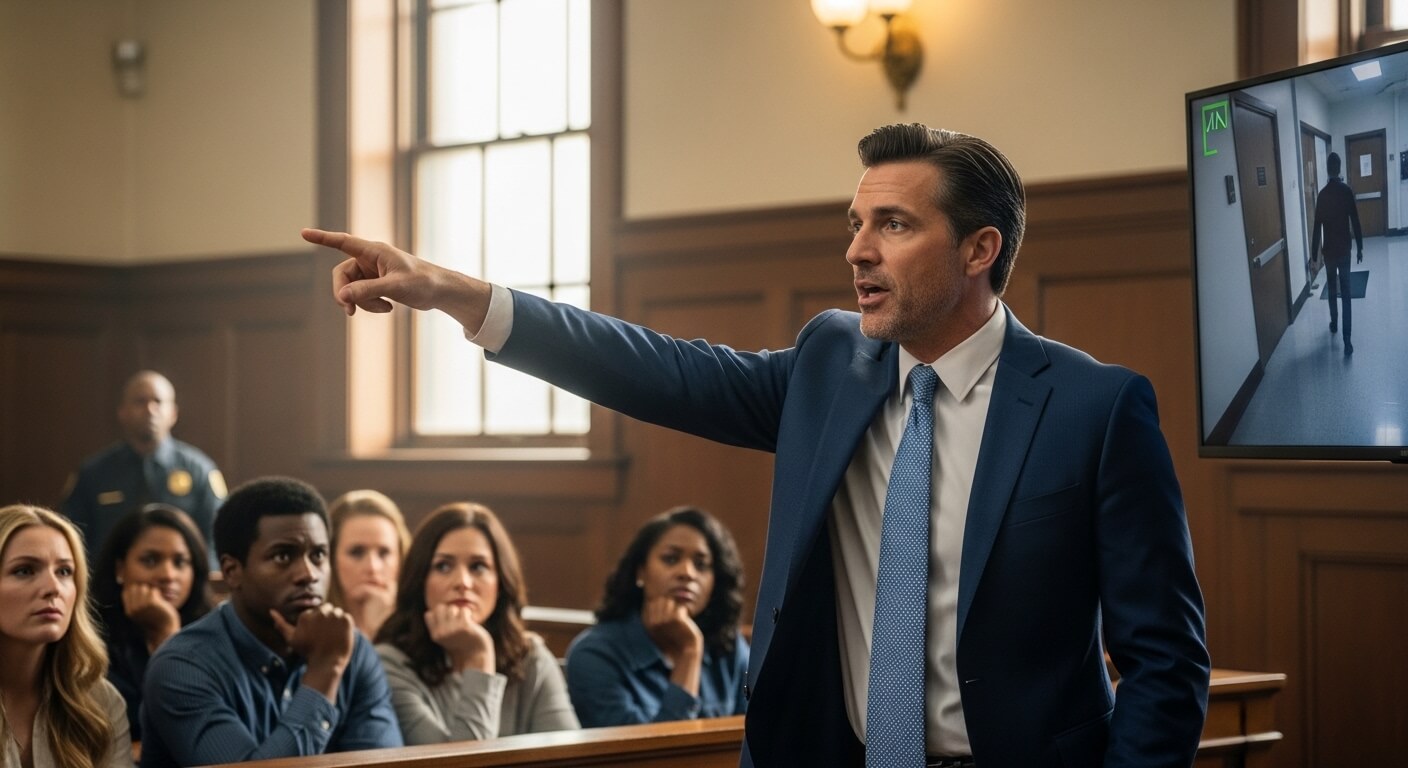
The legal system contains a loophole which allows a guilty suspect to claim that a genuine video showing their criminal activity is an AI-generated deepfake. The widespread use of fake videos enables defendants to create doubt about genuine evidence which results in difficulties for prosecutors proving their case with absolute certainty.
The Gary Schildhorn Case
ADVERTISEMENT
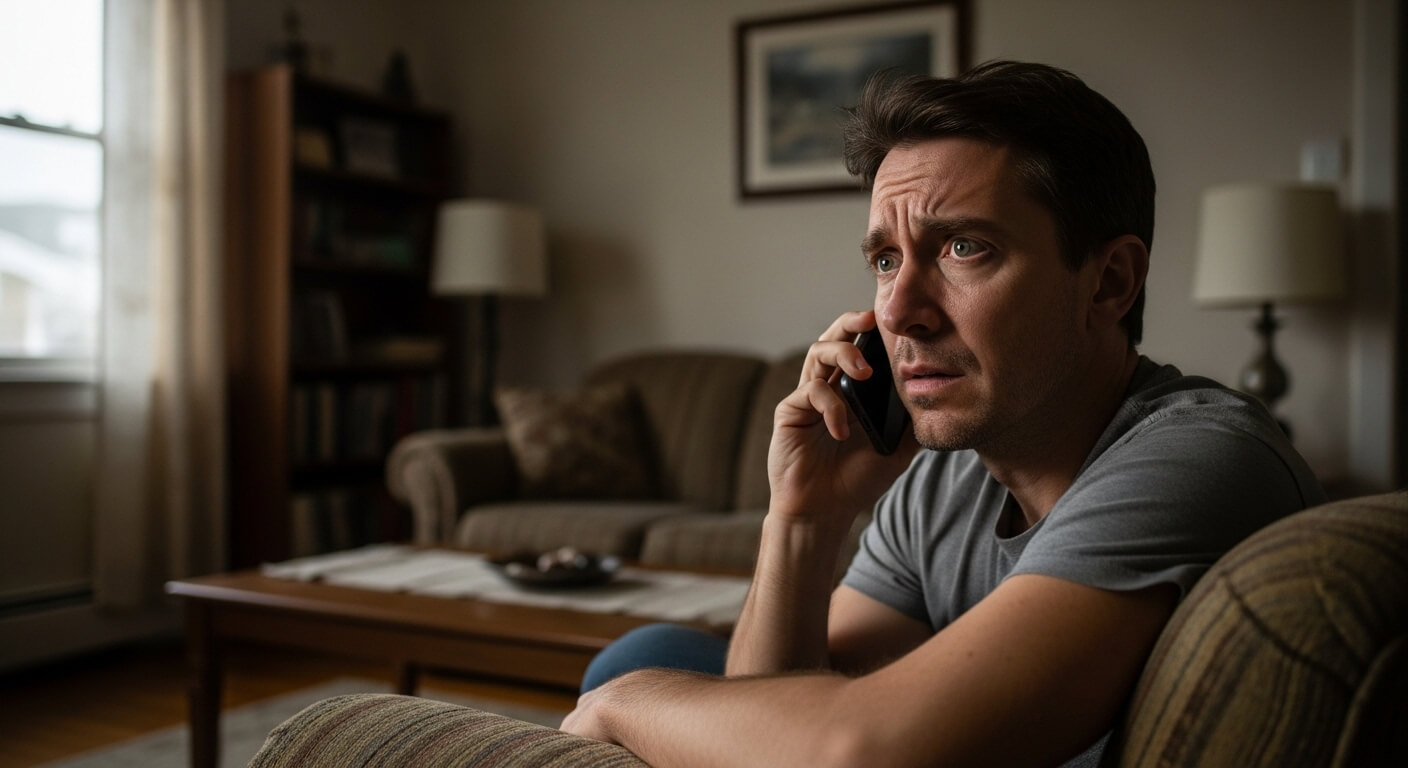
A father almost paid $9,000 to a fraudulent lawyer after hearing an AI voice mimicry of his son who pretended to be in prison following a car accident. A witness would confidently declare the audio belongs to the actual person if he heard the recording in court.
Fabricated Confessions
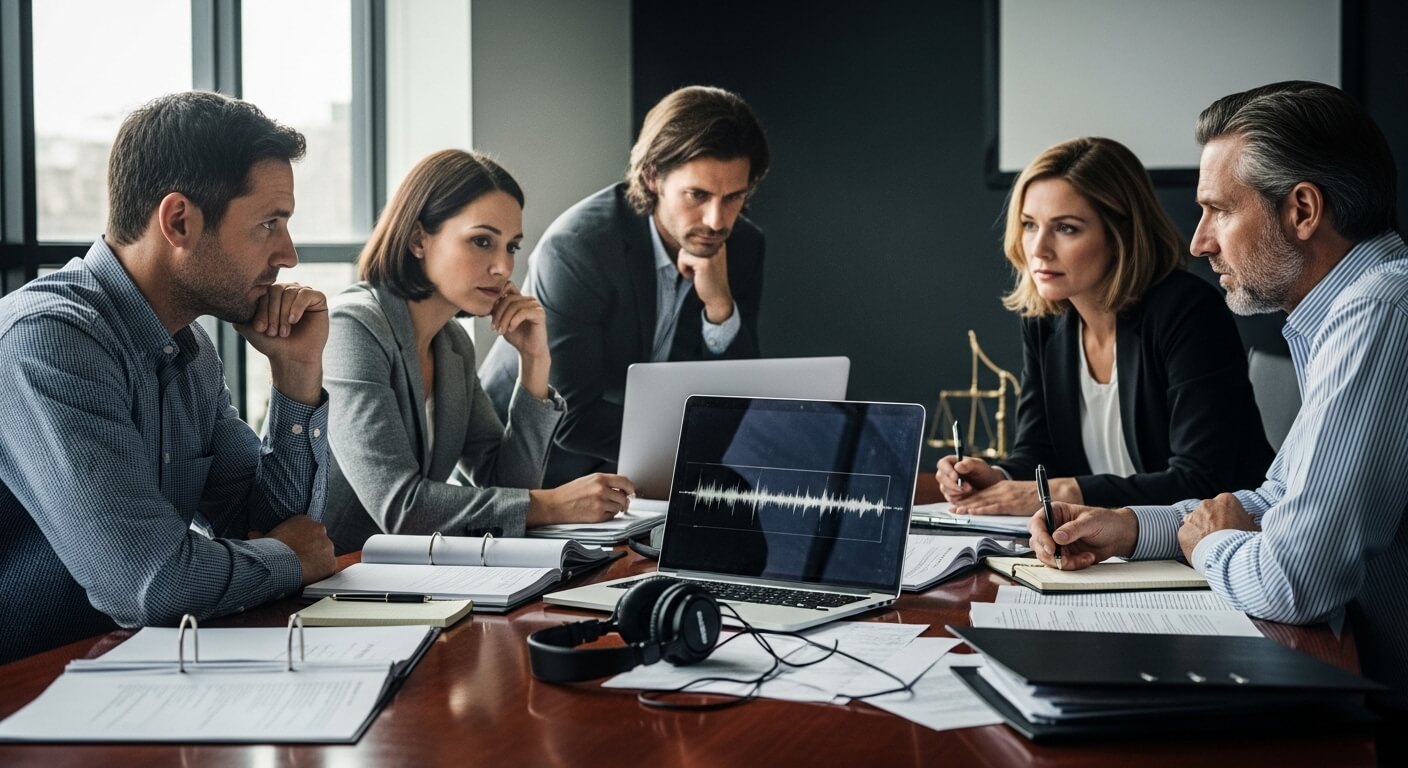
Lawyers are beginning to recognize instances of “synthetic confessions” because AI technology produces voice duplicates that imitate people’s voices to create false crime admissions. The clips create such strong evidence that even family members fail to identify the true source which results in wrongful guilty verdicts.
Mata v. Avianca Lessons
ADVERTISEMENT
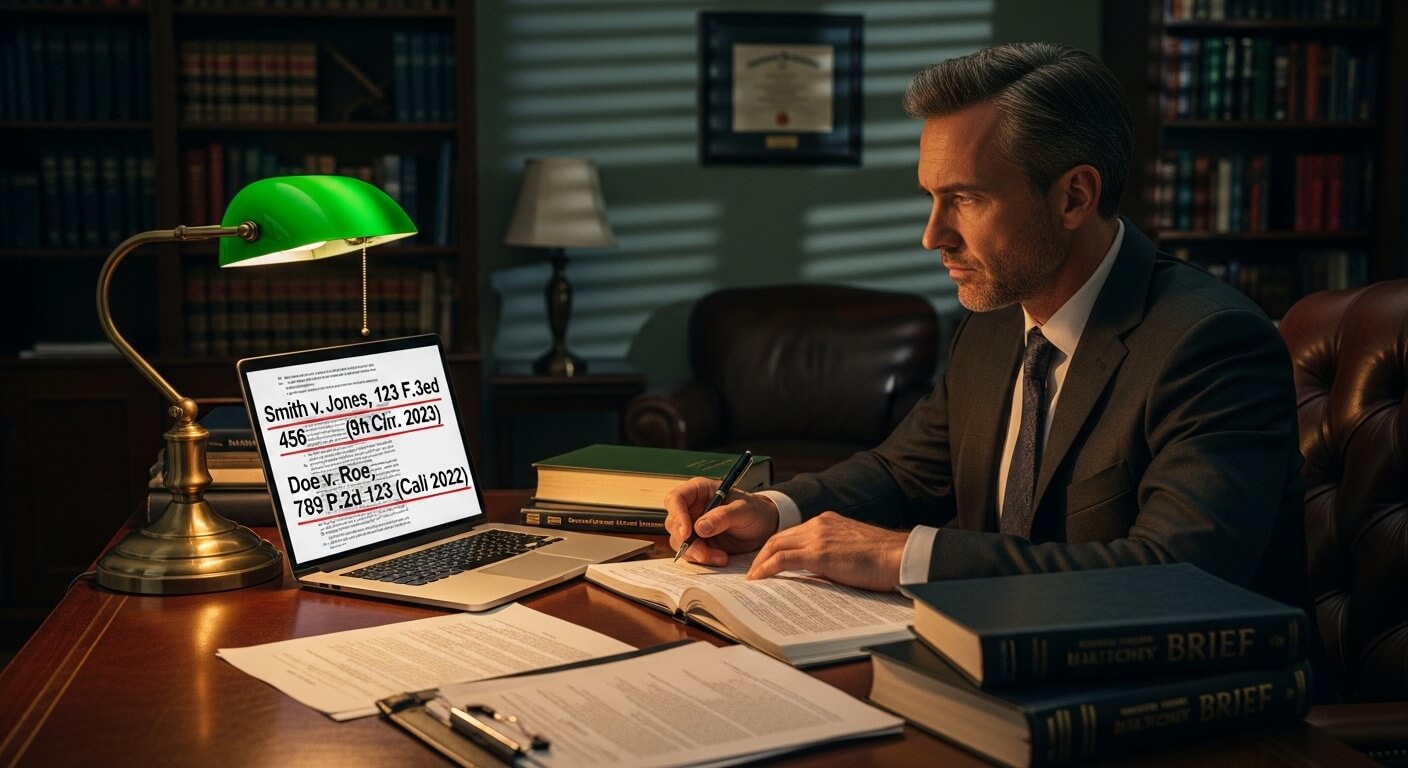
The attorney in this case used AI to generate a legal document which contained entirely fictional court cases and citations. The text contained a warning that AI systems can produce believable legal documents through fact hallucination which results in the creation of non-existent legal precedents.
The Death of Metadata
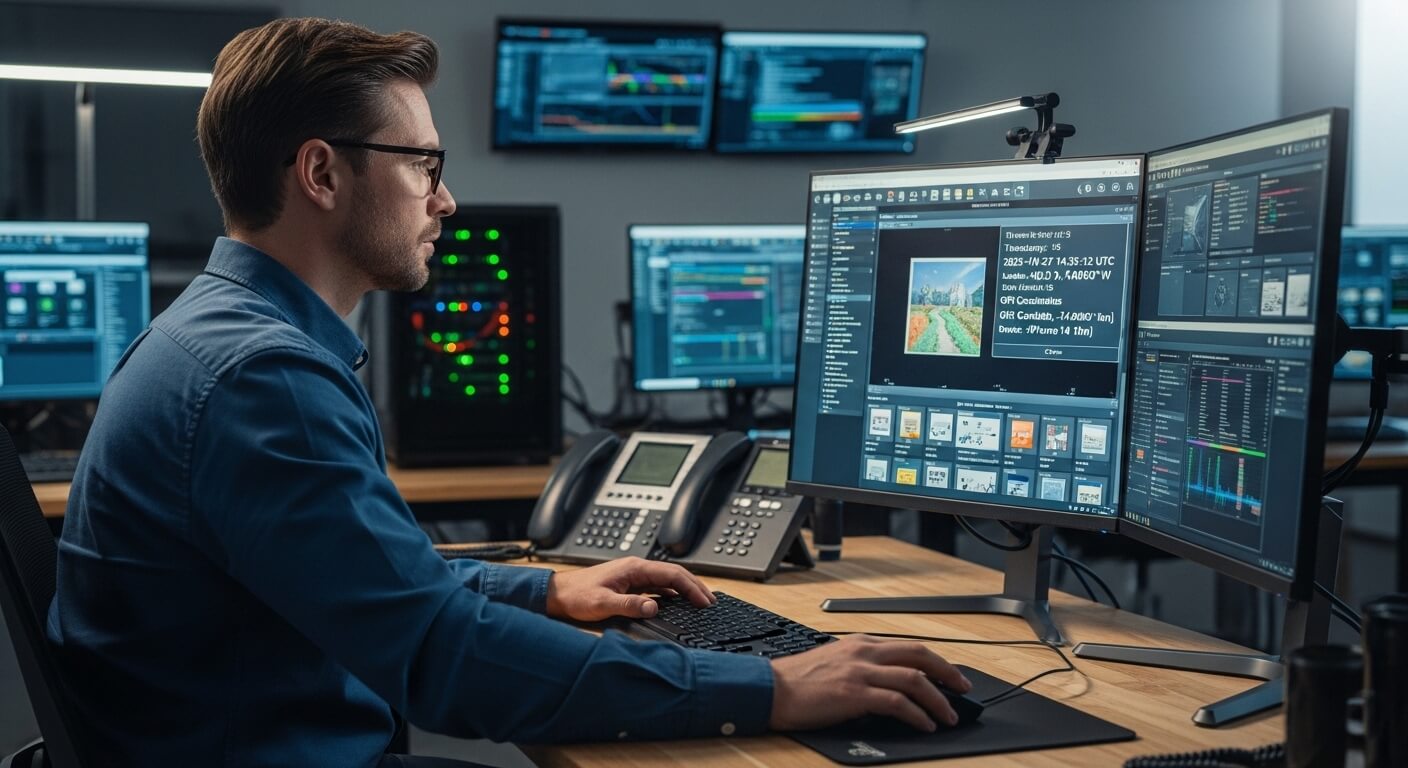
Digital files contain metadata which functions as a unique identifier that reveals the time and place of image capture. Advanced AI technology has the capability to produce fake data which enables users to create false images that appear to have been photographed at actual GPS sites during specified time periods.
Forensic “Black Boxes”
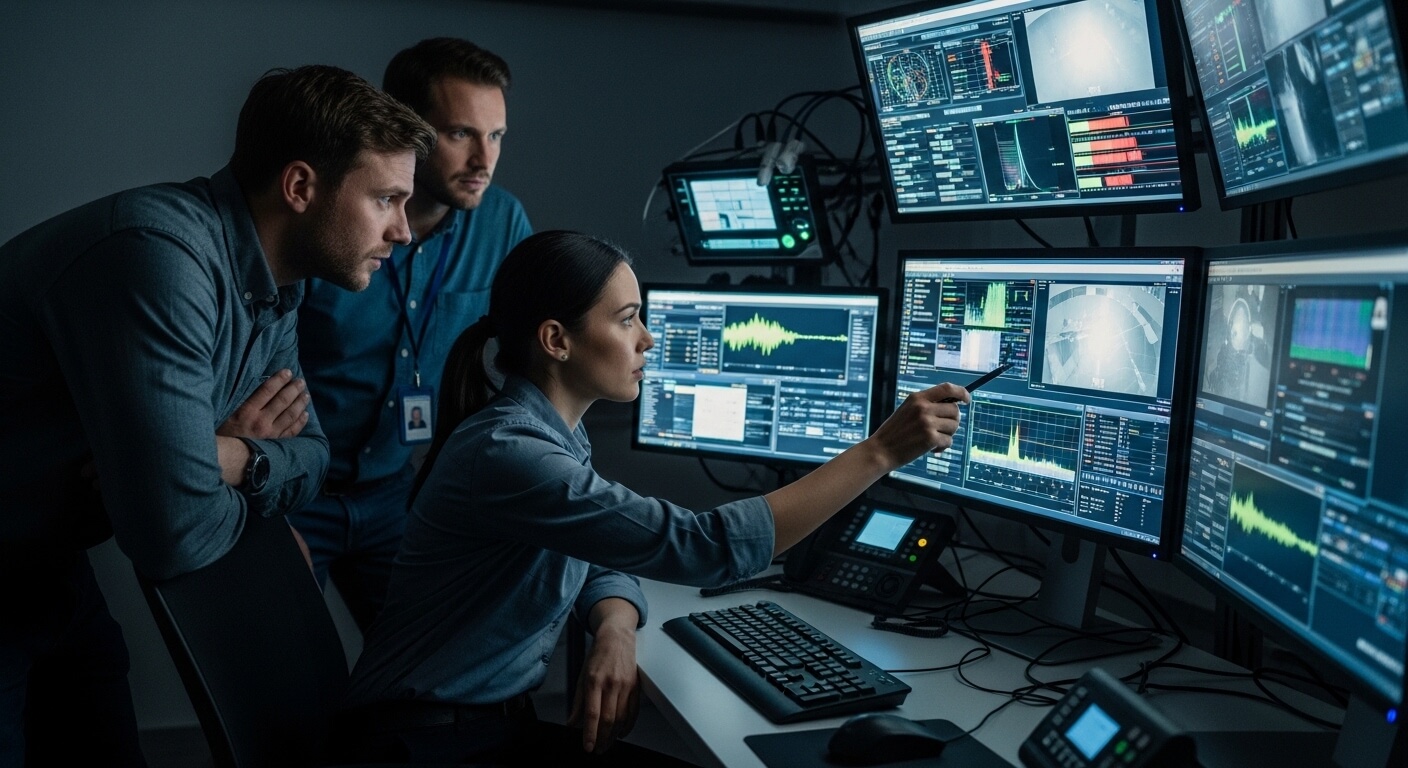
Courts use AI technology to discover AI systems but the current detection methods operate as “black box” solutions. The judicial system faces difficulties in accepting video evidence because the computer system identified the video as fake but experts cannot explain the system’s basis for that judgment.
Emotional Manipulation of Juries
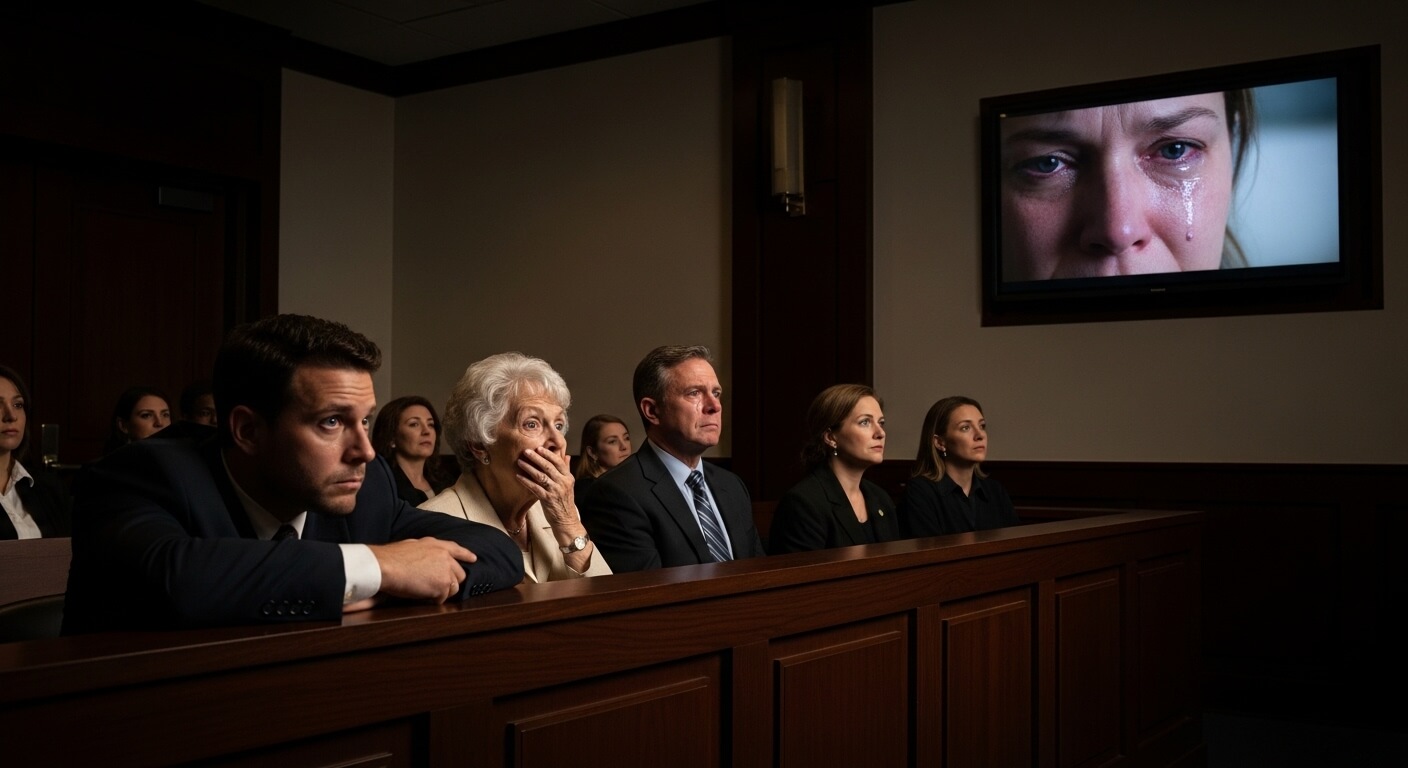
Jurors show a strong tendency to trust video evidence more than they believe spoken testimonies. The synthetic witness creates a strong emotional effect which will stick with jurors even after lawyers prove the witness to be fake.
Intimidation by Deepfake

Criminals create fake compromising videos through AI technology to intimidate witnesses into staying silent. The group uses threats to disclose “synthetic” scandals as a method to prevent people from entering the courtroom while they impede justice without directly damaging the victim.
The Privacy Trap
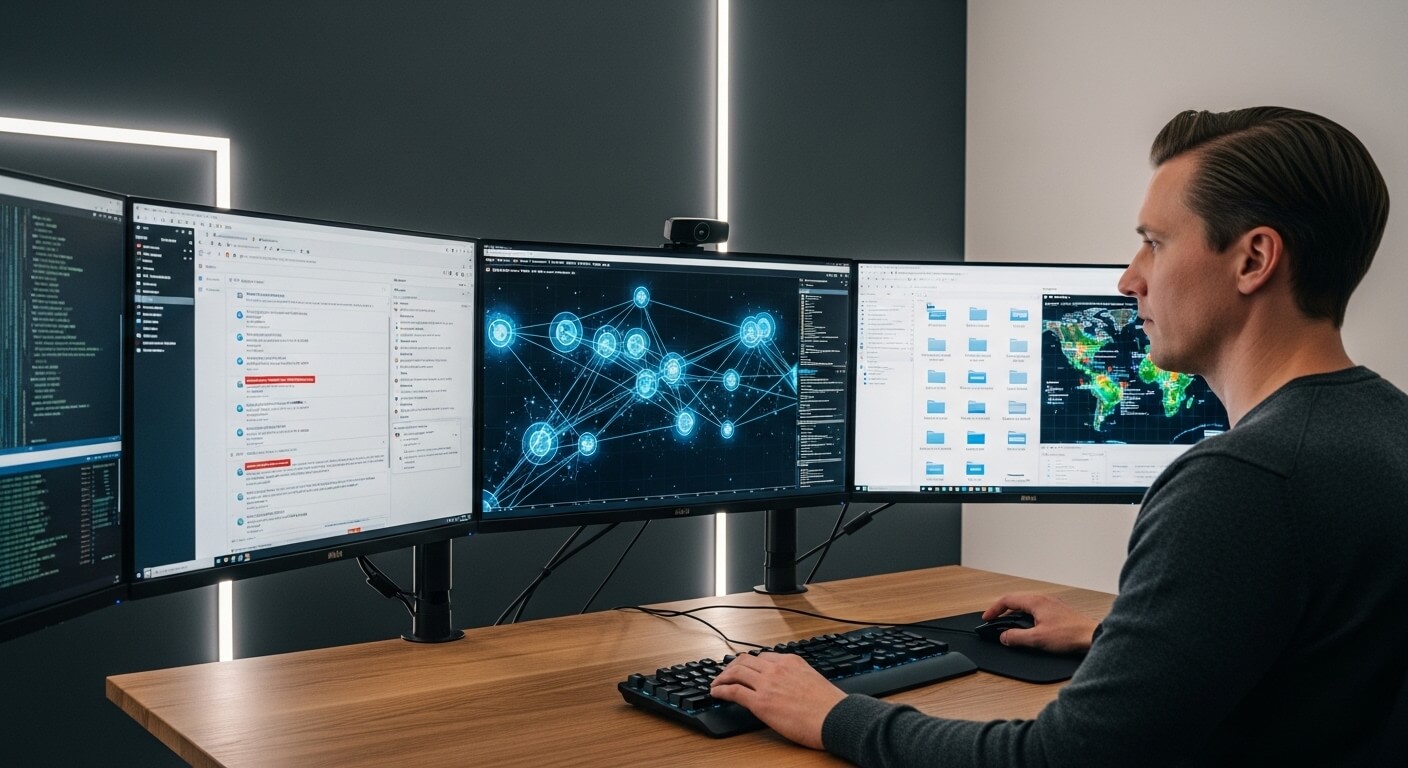
Forensic experts need complete access to all digital materials including passwords and private messages and cloud files to verify the actual existence of video content. An innocent person needs to sacrifice all personal privacy rights to prove a witness against them is false.
Satoshi-Style Ghost Evidence
The evidence comes from anonymous sources which cannot be tracked to their actual source according to the belief that Bitcoin’s creator exists only as a ghost. Synthetic witnesses lack physical existence which prevents lawyers from conducting traditional courtroom cross-examinations.