
Summary:
-
Bad Bunny’s Super Bowl halftime show featured surprise appearances from Lady Gaga, Ricky Martin, Pedro Pascal, and Cardi B.
-
The show marked a historic moment as the first full Spanish-language performance headlined by a Latino artist.
-
Despite controversy and criticism leading up to the event, Bad Bunny remained unapologetically true to his cultural identity and music.
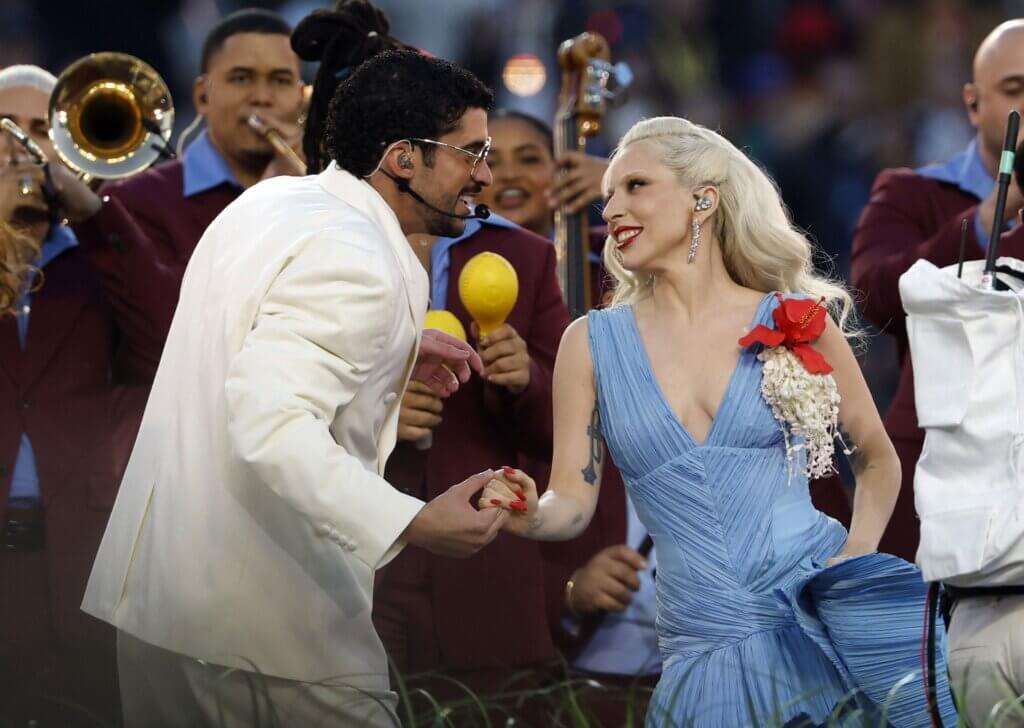
Bad Bunny’s Super Bowl halftime show unfolded as both a pop spectacle and a cultural statement, marked by surprise appearances from Lady Gaga and Ricky Martin and cameos by Pedro Pascal and Cardi B inside a staged Puerto Rican-style ‘casita’ on the field.
The unexpected guests elevated an already historic performance. Lady Gaga joined Bad Bunny mid set for a brief collaborative moment, followed by Ricky Martin, whose appearance linked generations of Puerto Rican global pop stardom. Pedro Pascal and Cardi B appeared during a house party sequence built around the casita, a recurring symbol from Bad Bunny’s recent performances that references home, community, and Puerto Rican identity.
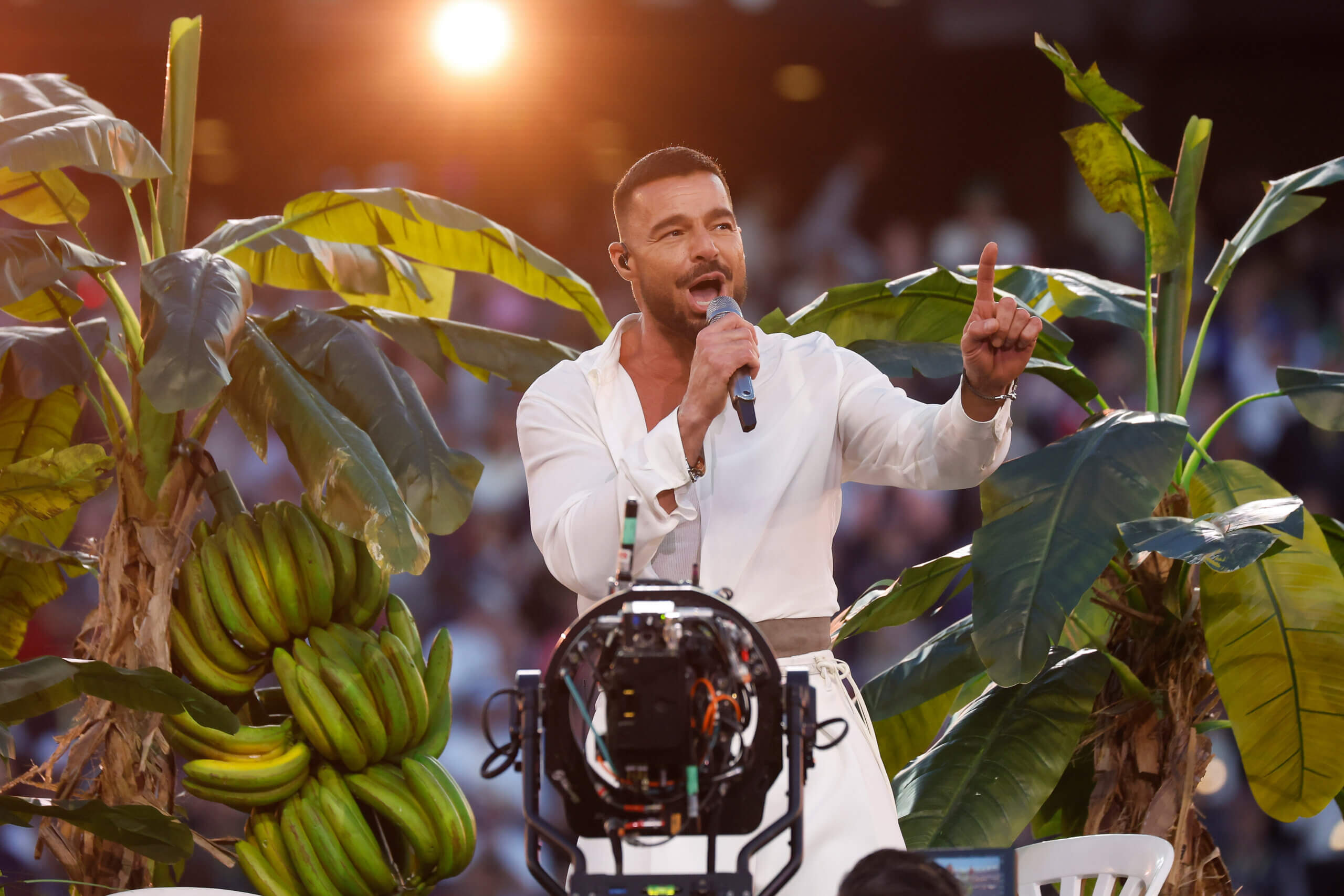
The cameos drew immediate attention online, but the broader significance of the halftime show extended beyond surprise appearances. Bad Bunny became the first Latino artist to headline the Super Bowl halftime show while performing entirely in Spanish. The decision marked a departure from the event’s traditional approach, which has historically centered English language pop and rock acts even when featuring Latin artists.
The announcement of Bad Bunny as a headliner drew criticism in the weeks leading up to the game. Some commentators questioned the choice on the basis of language and genre, while others framed it as a political statement by the NFL. Conservative groups and public figures voiced opposition, and alternative programming was promoted by right-leaning organizations during the halftime window.
Bad Bunny did not adjust his approach in response. In pre-game interviews, he stated that the performance would remain fully in Spanish and that audiences did not need to understand the lyrics to participate. The message aligned with his long standing career position that his music does not require translation to have global impact.
The timing of the performance also carried weight. The show aired amid heightened tensions around immigration policy in the United States, including increased scrutiny of ICE enforcement and public protests tied to immigration raids. While the halftime show itself avoided explicit political messaging, its cultural framing and language choice were widely interpreted as an affirmation of Latino visibility during a period of national division.
ADVERTISEMENT
The NFL did not release immediate demographic data tied specifically to halftime viewership by region or language. Historically, Super Bowl halftime performances draw more than 100 million viewers domestically, with international streaming numbers reported later. At the time of publication, no verified data had been released showing how many viewers tuned in specifically for Bad Bunny’s performance.
The halftime show framed collaboration and cultural pride as its central theme.
For many Latino viewers, the moment carried symbolic significance regardless of metrics. The staging, language, and guest choices placed Puerto Rican culture at the center of one of the most-watched entertainment events in the world without dilution or translation.