
Summary:
-
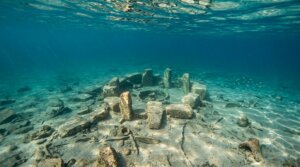
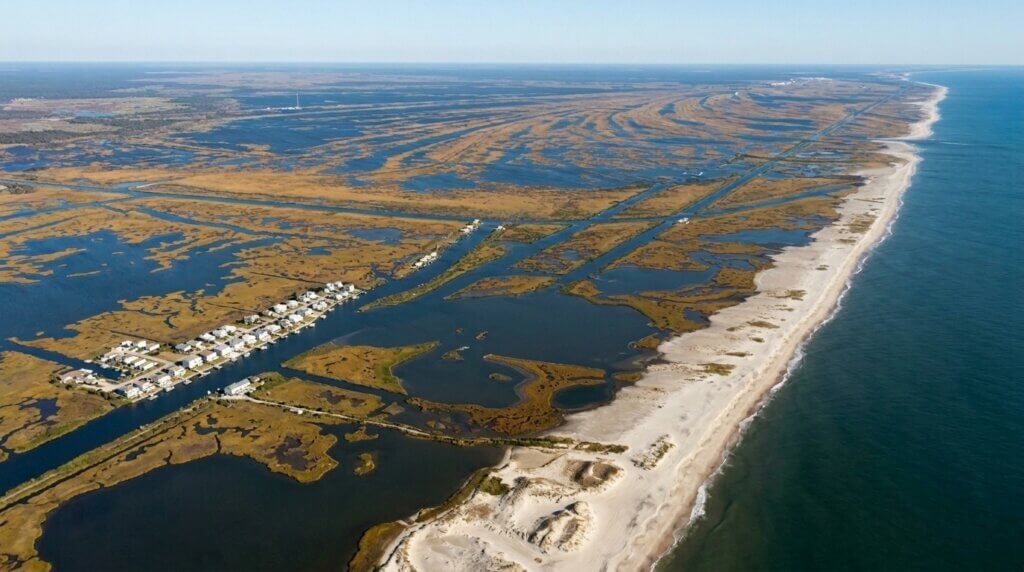
Fifty miles east of New Orleans, George Gele believes a twelve-thousand-year-old water city, Crescentis, lies beneath the Gulf of Mexico.
-
Gele’s sonar images show sunken structures, including a 280-foot pyramid emitting electromagnetic energy that disrupts boat compasses.
-
Local fishers report compasses spinning over the supposed pyramid site, leading to theories of an ancient civilization beneath the waters.
Fifty miles east of New Orleans, in the depths of the Gulf of Mexico, there is something unusual that could be lurking. A retired architect and amateur archaeologist by the name of George Gele has dedicated almost half his lifetime to the study of what he considers to be a twelve-thousand-year-old water city just off the Chandeleur Islands. He refers to it as Crescentis, and the theories that accompany it are as interesting as they are vexing.
Five Decades of Research
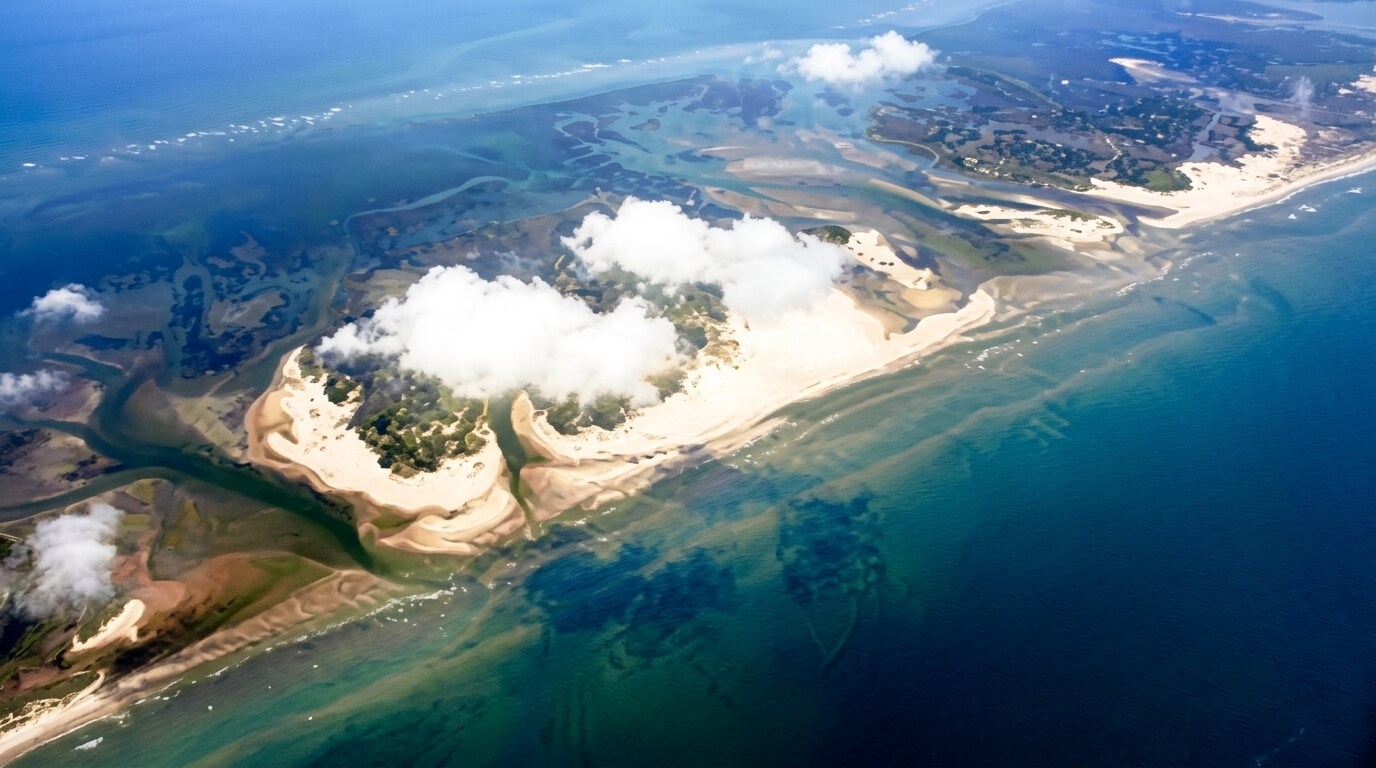
From 1974 through 2017, Gele has now personally funded and made more than forty-four trips to Chandeleur Sound to demonstrate that Crescentis is under the Gulf and has devoted close to a lifetime to the rightful cause.
Sonar Images Tell a Story
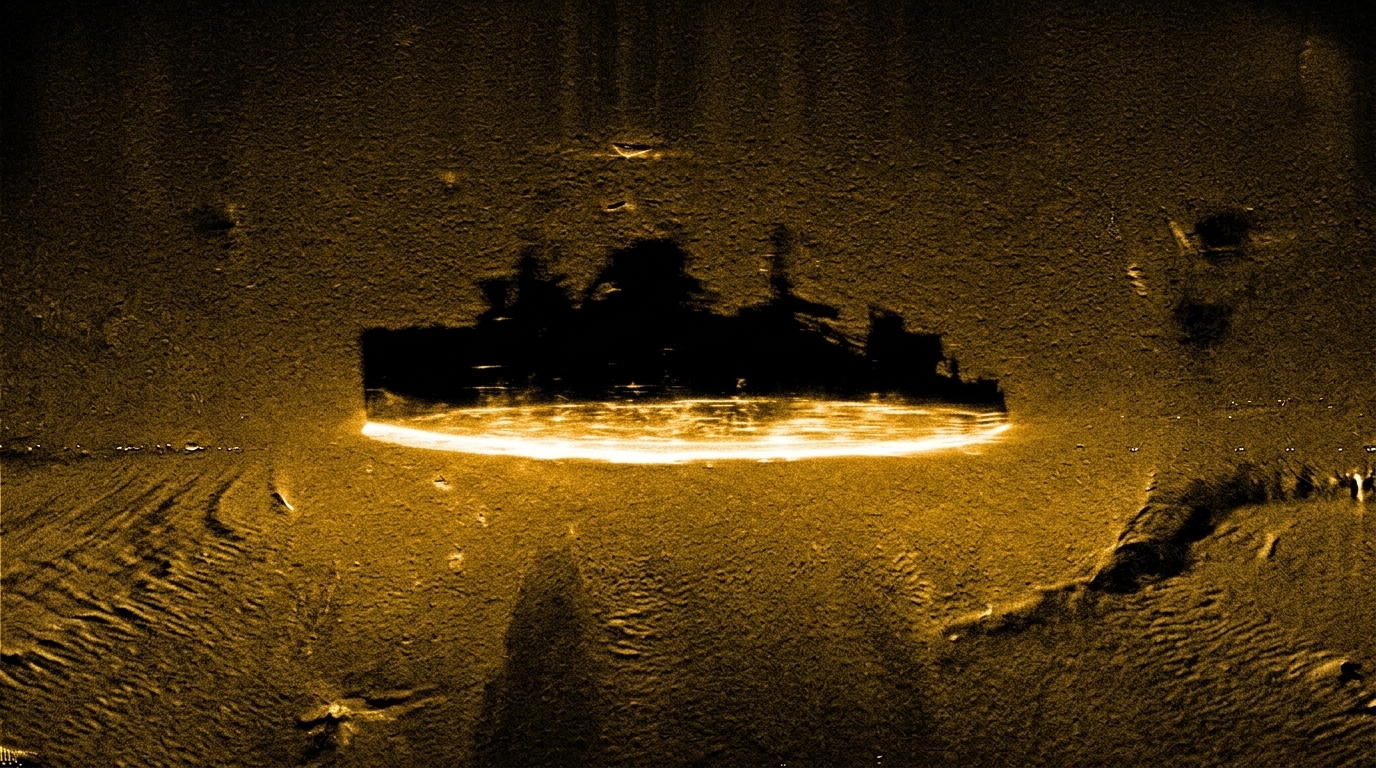
Gele took underwater sonar images of what he thinks are hundreds of sunken structures across the seafloor structures which he believes date back to the last ice age, ending around twelve thousand years ago.
A 280 Foot Pyramid
ADVERTISEMENT
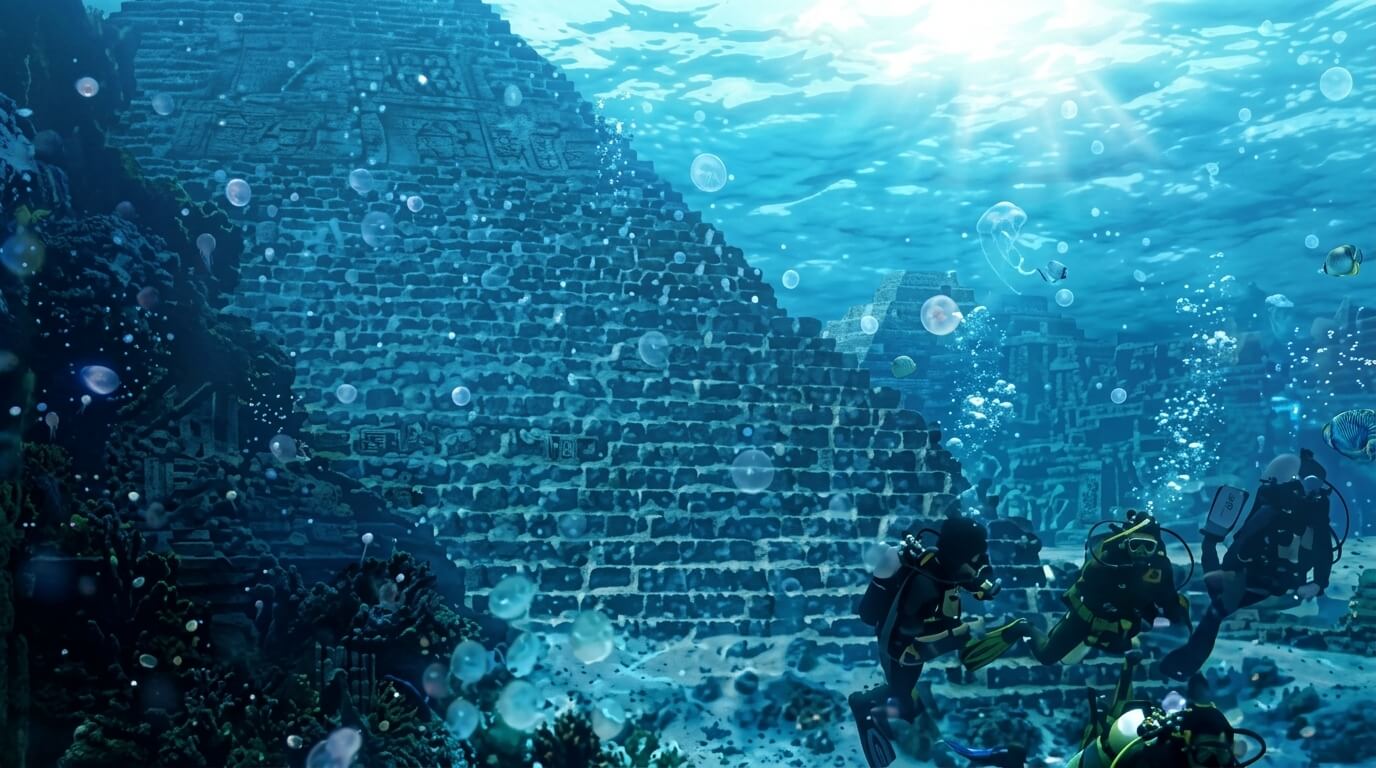
One of the most melodramatic of such assertions is a massive 280-foot-high pyramid coming out of the ocean floor, which Gele claims emits electromagnetic energy that is strong enough to induce boat compasses to spin in erratic patterns as they pass over it.
Fishers had found something Going on
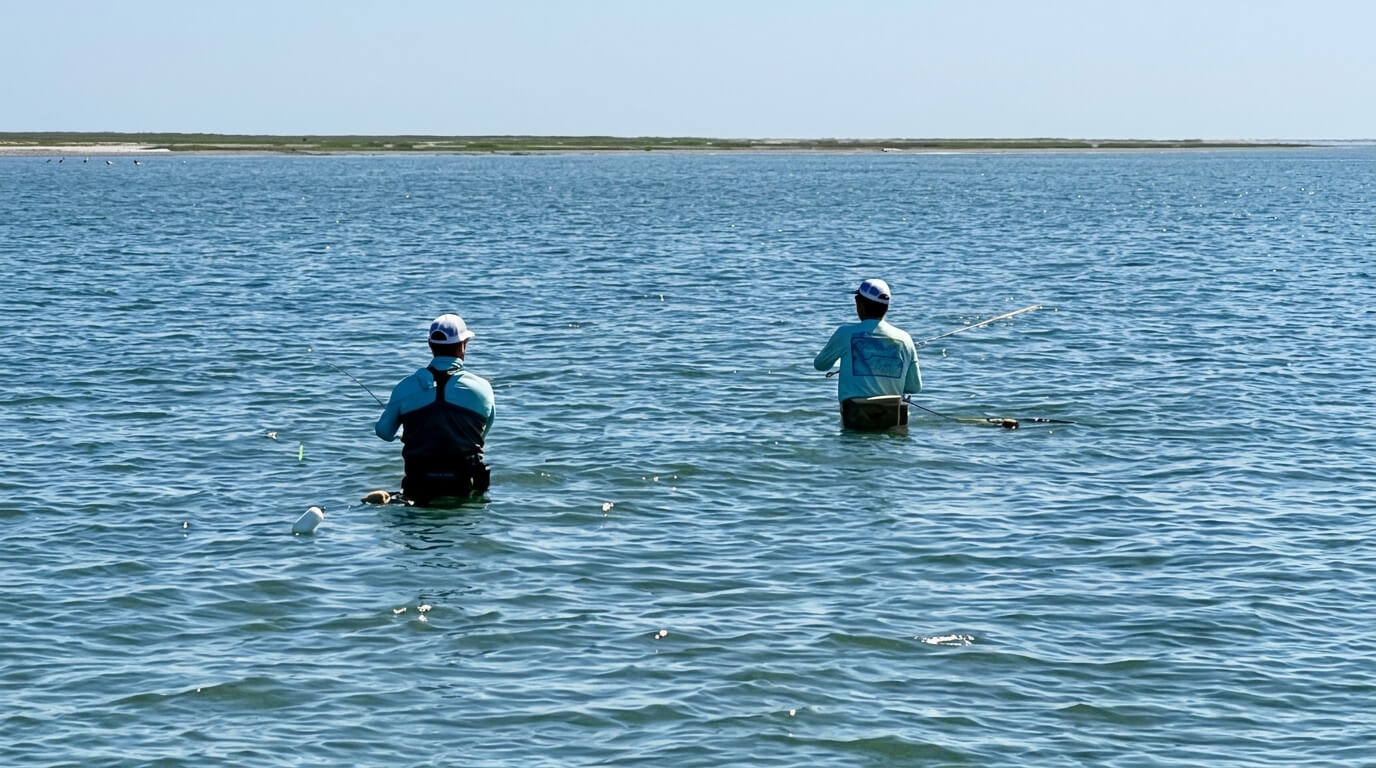
Near the Chandeleur Islands, local fishermen have long been accustomed to compasses turning off their straight paths and spinning giddily over the supposed pyramid site – first-hand testimony, which at first created a serious interest in the nature of the surface beneath the waters.
Granite, which ought not to be
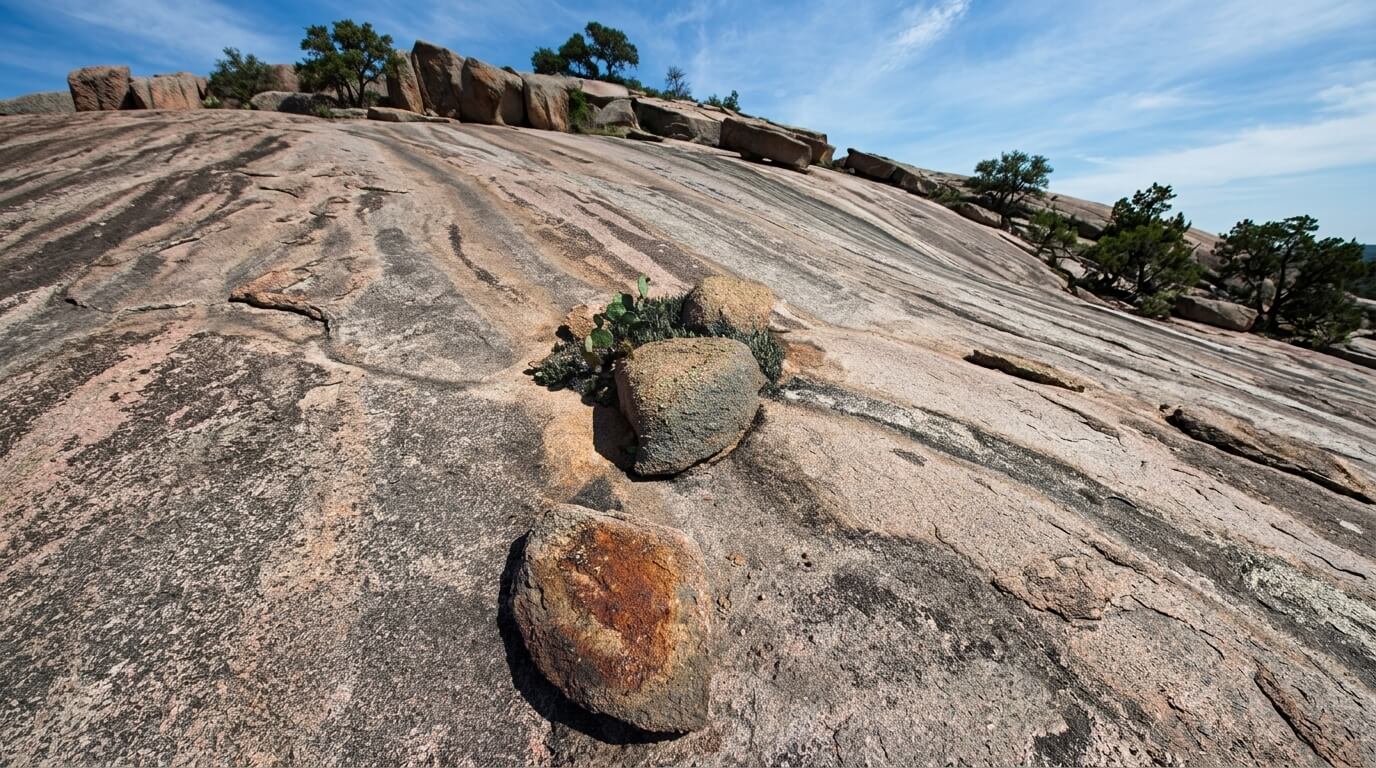
In Louisiana and Mississippi, granite is not produced naturally. But there are terrific masses of granite appearing on the bottom of the sea at Chandeleur Sound, the geological puzzle that makes the basis of the whole Gelean theory of antiquity.
The Giza Connection
ADVERTISEMENT
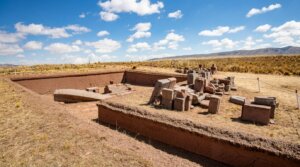
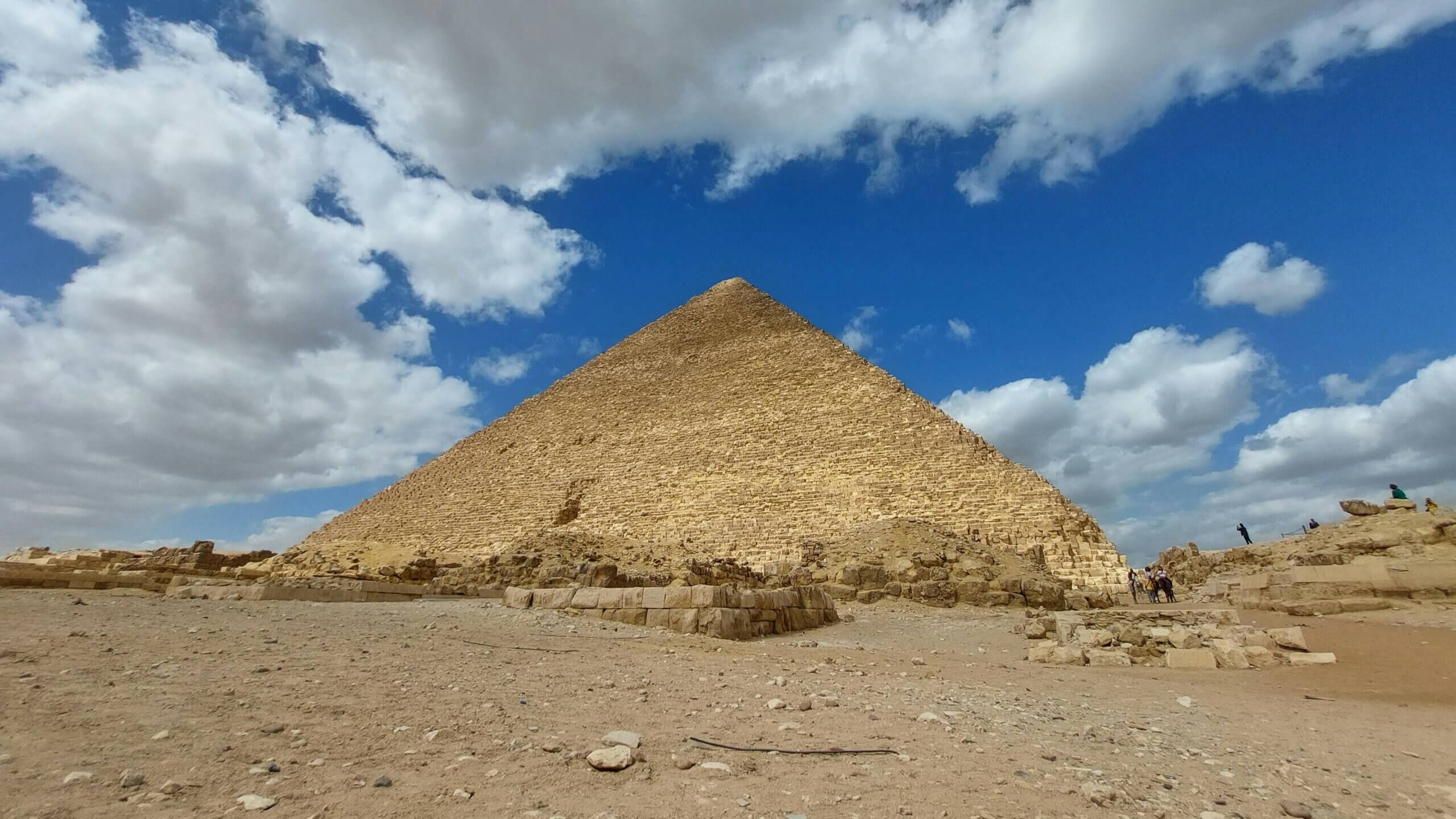
According to Gele, the structures under the water are geographically connected to the Great Pyramid of Giza – a radical argument that those who most likely built the Maya, the Inca and the Aztec never existed at all, and thus this remains an ancient civilization with knowledge and building ability that cannot be attributed to any civilization whatsoever.
Alternative Explanations are Provided by Scientists

A study at Texas A&M University reckoned that the granite had been thrown overboard by the Spanish and French craft plying shallow Gulf waters off New Orleans, a long way down the list, but a plausible explanation.
The Artificial Reef Theory
An archeology professor at LSU proposed that the granite formations might be the result of an early 1940s unintentional reef creation program consisting of an intentional dumping of construction material – a hypothesis upheld by state archaeologists who know the area well.
No Peer Review Yet

The findings made by Gel have not been published in peer-reviewed scientific journals. In the absence of official scholarly confirmation, the mainstream scientific community still believes that Crescentis remains an attractive yet officially unproven and undisputed archeological discovery.
The Mystery Remains Open
The Crescentis story is fascinating to millions of people, regardless of whether the Crescentis is an ancient lost civilisation or a dumping area. It is only through deep-sea exploration with intensive scholarly research that we can finally determine what is below the waters.