
Summary:
-
In a deep region in Northern Quebec, scientists found 4.16 billion-year-old rocks, potentially shedding light on Earth’s early history.
-
The Nuvvuagittuq Greenstone Belt in Quebec, Canada, may hold the oldest known fragments of Earth’s crust.
-
Geologists are intrigued by the ancient ocean floor in Quebec, offering insight into the violent early Earth history.
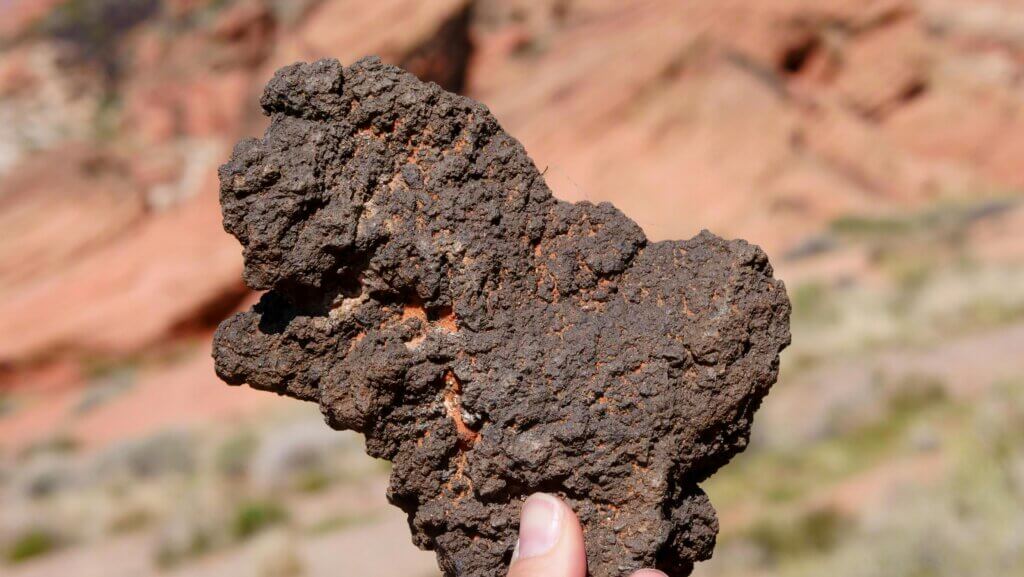
In a deep rocky region in Northern Quebec, scientists have discovered what could be the oldest rocks on Earth, 4.16 billion years. This amazing discovery may shed a lot of unknown or unveil the violent and mysterious early history of our planet.
A Record-Breaking Discovery
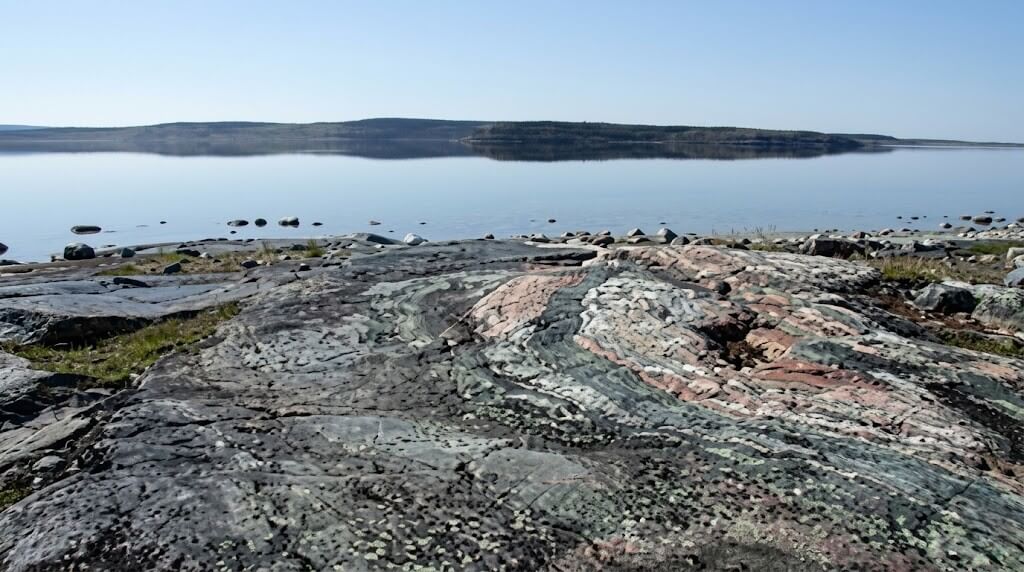
Scientists established that the rocks of the Nuvvuagittuq Greenstone Belt in Quebec, Canada, are as old as 4.16 billion years and therefore may be the oldest fragments of crust on earth.
Quebec Site Explained

The Nuvvuagittuq Greenstone Belt is a distant, bare patch of ancient ocean floor, situated on the eastern shore of Hudson Bay, and which has piqued the interest of geologists over the last twenty or so years.
ADVERTISEMENT
The Violent Period On Earth
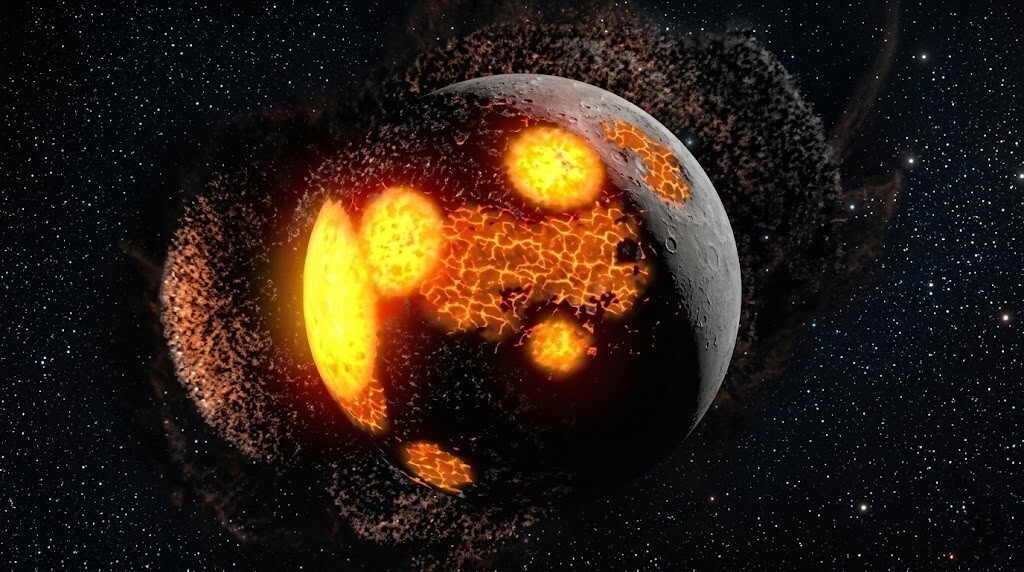
These rocks are due to the Hadean Eon, the first period of Earth, which started 4.6 billion years ago, when the planet was molten, turbulent, and constantly attacked by huge asteroids in space.
Two Clocks: One Answer
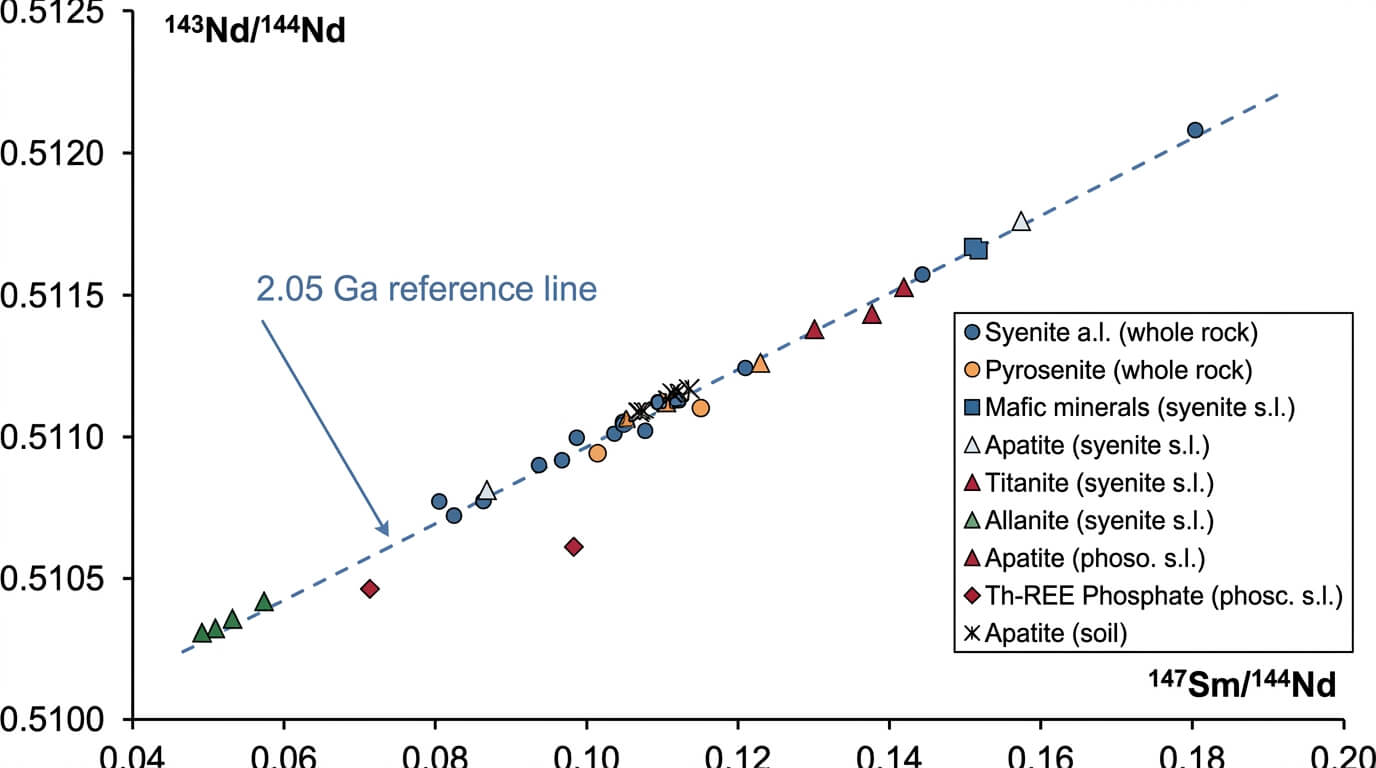
Two independent radioactive decay methods were applied: measurements of isotopes of samarium and neodymium, and both indicated the same age of 4.16 billion years, which lent great scientific support to the findings.
The Rare Survivance
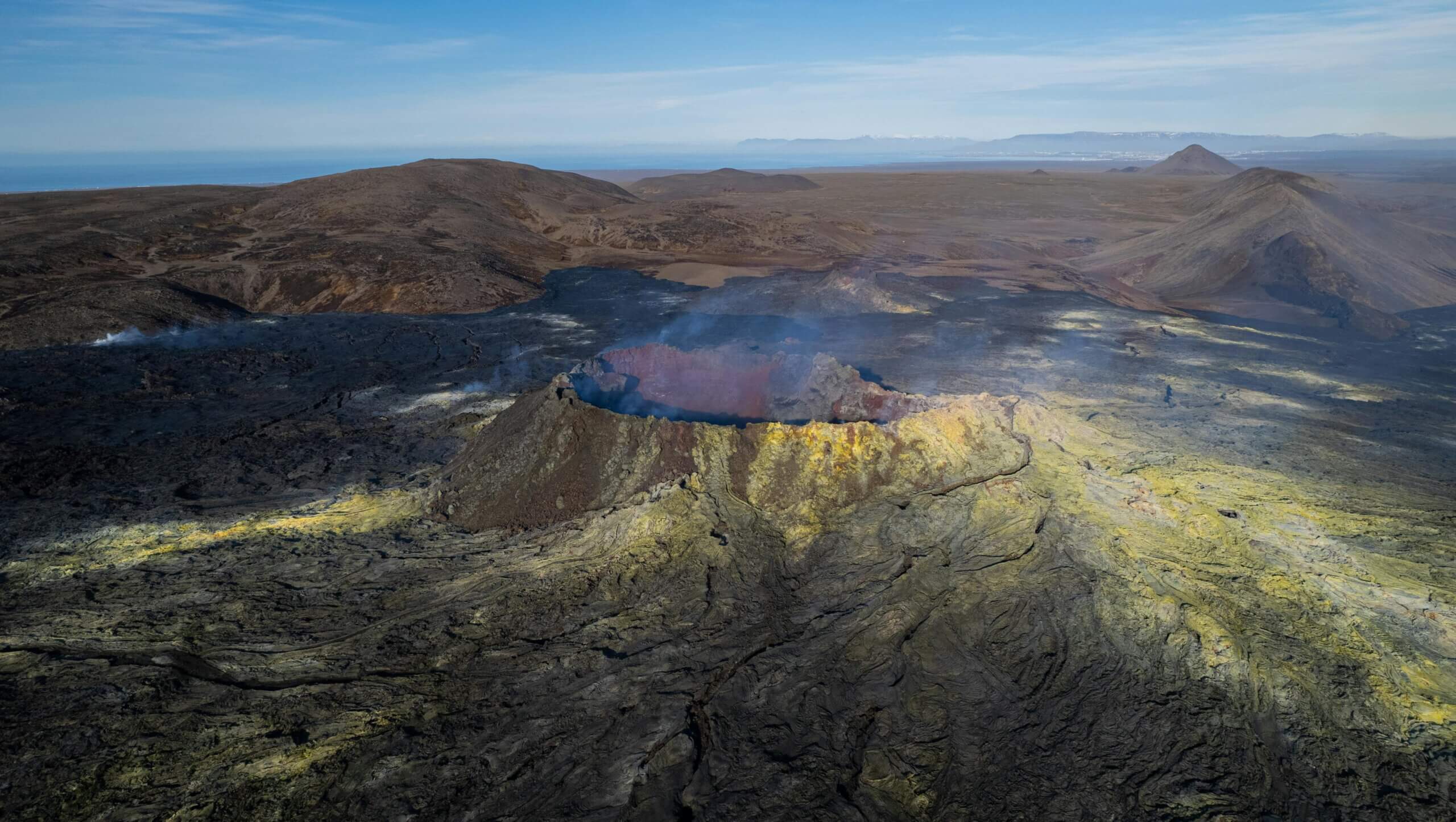
Plate tectonics, volcanic eruptions, and asteroids have relentlessly remodeled the surface of the Earth over billions of years, and the existence of any Hadean -era crust is an exceptionally unusual geological feat.
ADVERTISEMENT
The Geologist On The Discovery
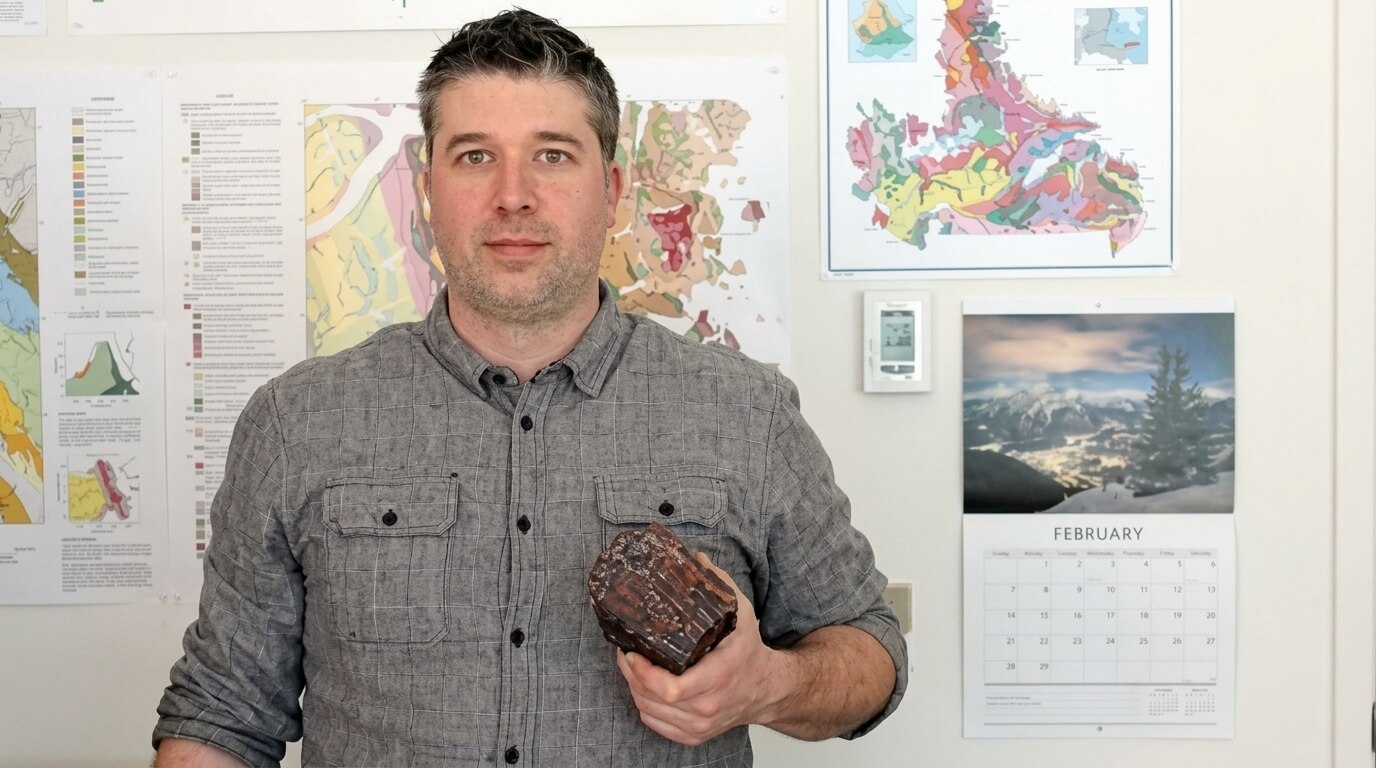
These Quebec rocks that were many years old, and described in a research led by University of Ottawa geologist Jonathan O’Neil in the journal Science, were characterized as a lost page in the geological history of early Earth.
Indications Of Early Life
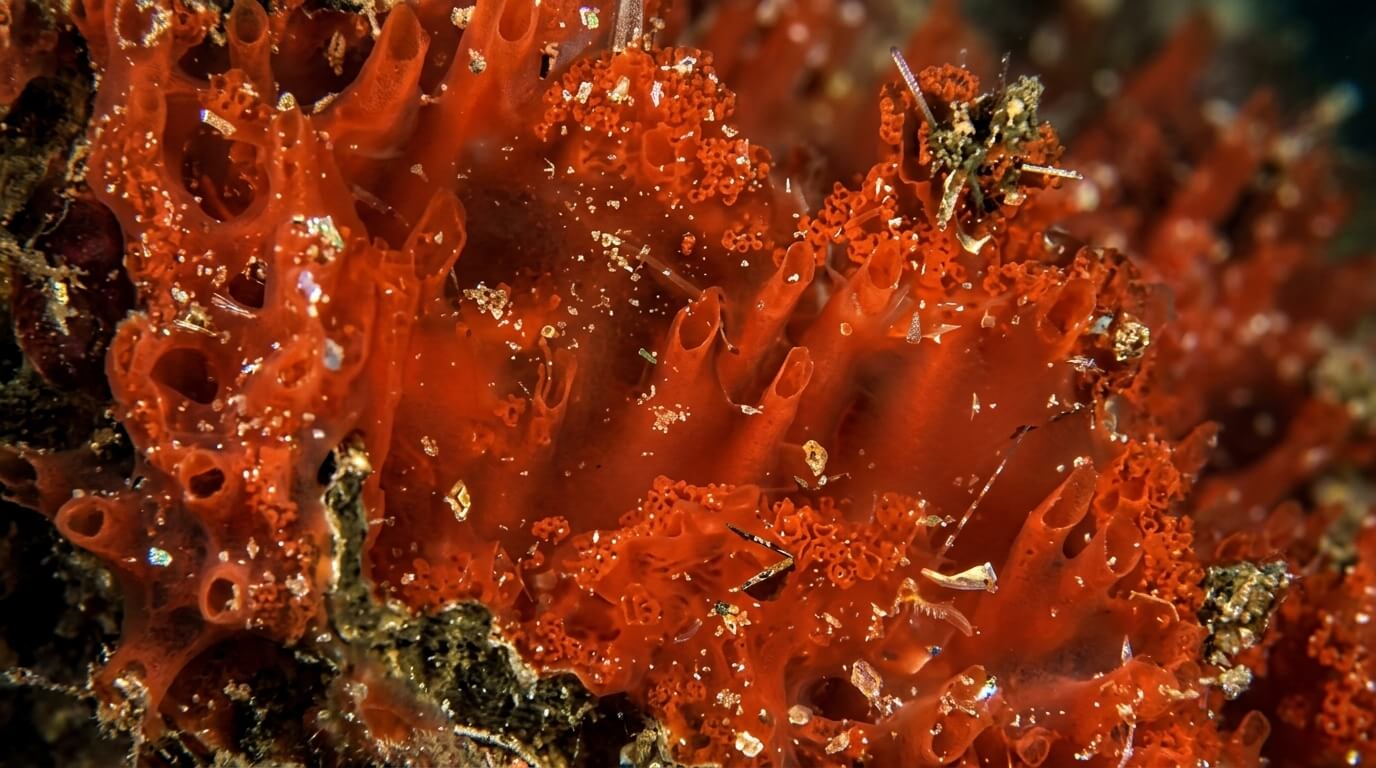
The rocks at the same site in Quebec have already given up potential microfossils – fine filaments and tubes which were created by the ancient bacteria – indicating that life may have existed much earlier than previously thought.
Other Ancient Formations In Canada
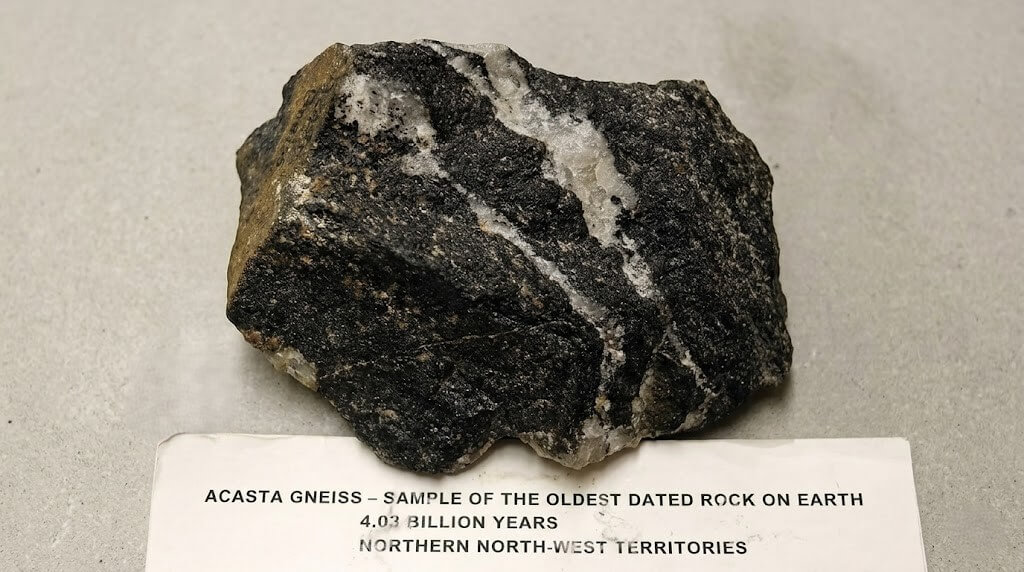
The Acasta Gneish Complex in the Northwest Territories, Canada, the oldest confirmed rock formation previously on the surface of the Earth at 4.03 billion years, now has a formidable competitor in this incredible Quebec find.
The Zircon Problem
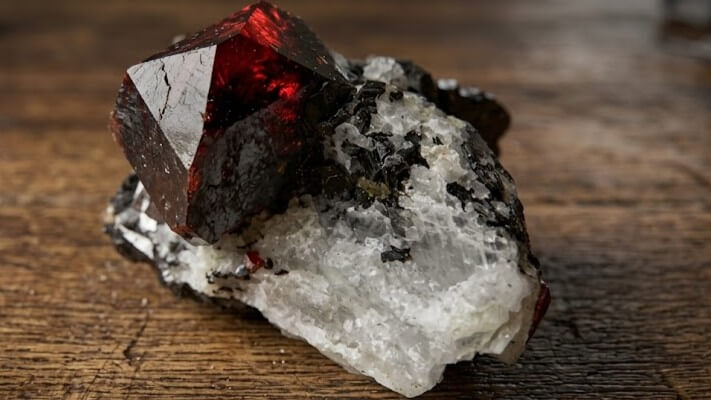
The geologists use zircon crystals as the gold standard to date old rocks, and the Quebec belt has very few. The use of the dual isotope method is necessary in establishing this record geological age.
What Comes Next
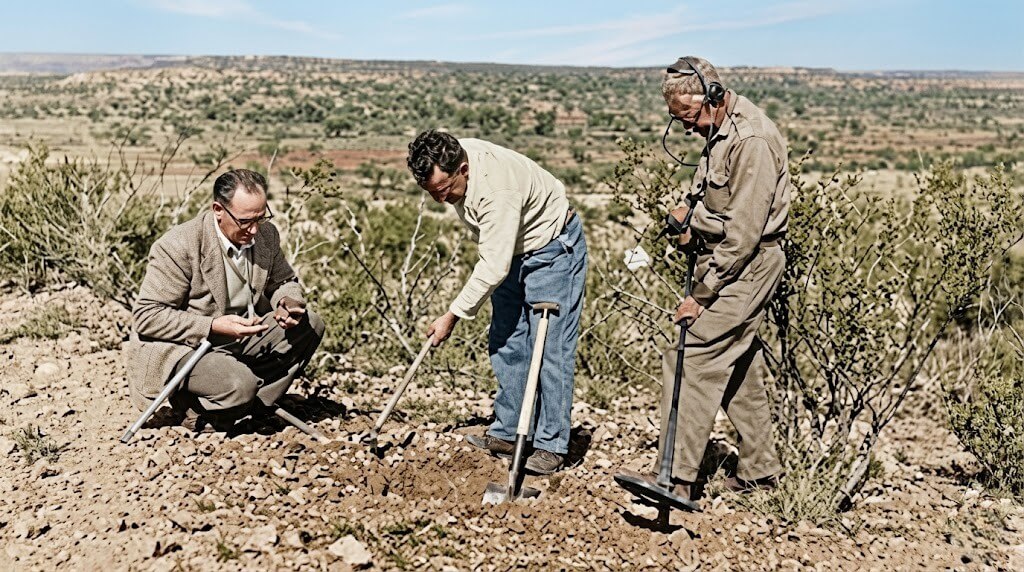
Smithsonian scientists are busy researching ancient Canadian rock specimens and intend to increase public access to discoveries and develop displays that trace the history of the Earth all the way back to its very creation.