

Summary:
-
The Justice Department has only released less than 1% of Epstein-related documents, intensifying political backlash and public scrutiny.
-
Officials acknowledge that over 2 million documents are potentially responsive, with redactions slowing the process of eventual disclosure.
-
Critics, including Democrats and lawmakers, are frustrated with the slow pace of document release regarding Epstein’s operation and associates.
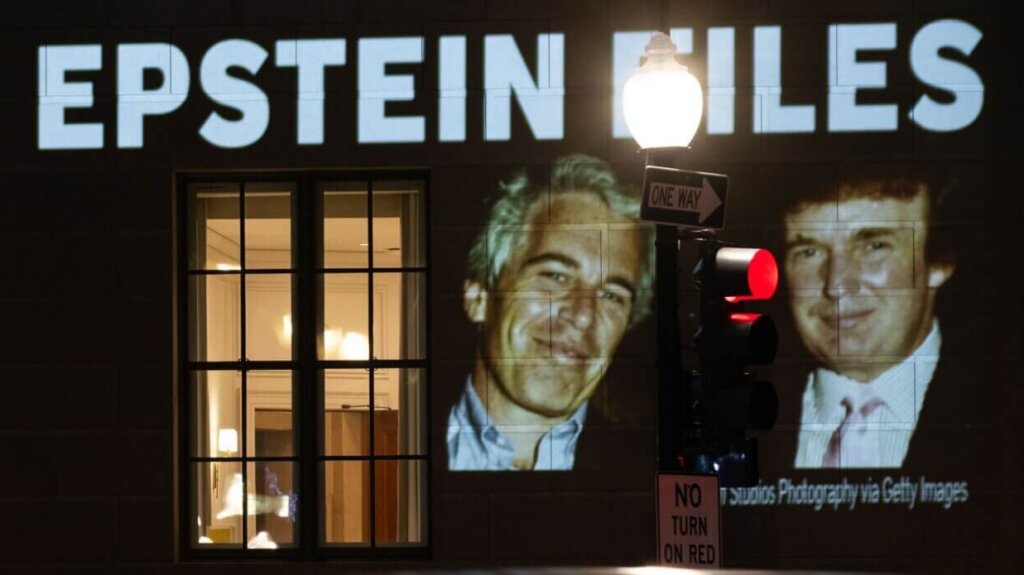
The Justice Department has released less than 1% of the documents tied to Jeffrey Epstein, according to a new court filing, intensifying political backlash and renewed public scrutiny over what remains hidden more than a month after a legal deadline passed.
In a letter submitted Monday to a federal judge, the department acknowledged that only 12,285 documents, totaling about 125,575 pages, have been made public. Federal law required the vast majority of Epstein-related records to be released by Dec. 19. Officials now say more than two million documents are potentially responsive and remain under review.
🚨Trump’s DOJ just admitted in a letter to a federal judge that they’ve reviewed *LESS THAN 1%* of the Epstein files. This is the most obvious and most disgusting coverup in American history. pic.twitter.com/3QBvbVjYKb
— Harry Sisson (@harryjsisson) January 6, 2026
Attorney General Pam Bondi told U.S. District Judge Paul Engelmayer that efforts to protect victims’ identities have slowed the process. She said roughly 400 Justice Department lawyers and 100 FBI analysts are reviewing sensitive material.
“This work has required and will continue to require substantial department resources,” Bondi wrote, adding that redactions are necessary but will not stop eventual disclosure.
Democrats were unconvinced. Senate Minority Leader Chuck Schumer accused the Trump administration of dragging its feet and failing to comply with the law.
ADVERTISEMENT
18 DAYS. That’s how long it’s been since the Trump administration’s legal deadline to release the full Epstein files.
Every shred of evidence must see the light of day.
Epstein’s victims deserve no less. The American people deserve no less. pic.twitter.com/ptdDu7Gh1o
— Chuck Schumer (@SenSchumer) January 6, 2026
The frustration is not strictly partisan. Rep. Ro Khanna and Rep. Thomas Massie have said they are weighing an inherent contempt lawsuit against Bondi to force faster compliance.
So far, the disclosures have added limited new insight into Epstein’s operation, which prosecutors say was facilitated by longtime associate Ghislaine Maxwell, who is serving a 20-year federal sentence for child sex trafficking.
Some documents revisit allegations involving Prince Andrew, whose legal name is Andrew Mountbatten-Windsor. One paper details alleged efforts by Maxwell to arrange “inappropriate” encounters for him. Prince Andrew has denied any illegal behavior and has not been charged in the United States.
Victims and advocates say the slow pace has compounded years of frustration. Epstein died in jail in 2019 while awaiting trial, leaving many questions unresolved about who enabled his crimes and how long they were ignored.
Even the limited records already released have been intensely scrutinized online. In November, a tranche of roughly 23,000 pages of emails from Epstein’s estate was made public by the House Oversight Committee. Independent developers quickly transformed those emails into searchable databases and inbox-style tools, allowing journalists and the public to explore what little information was available without wading through thousands of PDF pages.
ADVERTISEMENT
The tools lowered technical barriers, but they also highlighted the limits of partial transparency. The emails include heavy redactions, missing context and references to attachments that are not always included. Still, their rapid circulation underscored the appetite for information and the vacuum created by delayed official disclosures.
The White House has dismissed those earlier releases as politically motivated. After the November document dump, officials described the emails as selectively leaked to create a misleading narrative about Donald Trump, who has denied wrongdoing related to Epstein.
The latest court filing has sharpened a core question driving both political outrage and viral speculation: why, years after Epstein’s death and weeks after a legal deadline, is the public seeing so little?
Justice Department officials say prosecutors and the FBI uncovered more than a million additional documents after their initial review and may need “a few more weeks” to comply with the law. Critics argue that the delay erodes trust and risks further shielding powerful figures from accountability.