

Summary:
-
An 18-year-old student created a homemade water filter that removes 96 percent of microplastics, impressing the scientific community.
-
Microplastic contamination in her neighborhood led Mia Heller to develop a self-cleaning filter using ferrofluid and magnetic separation.
-
Her innovative water filtration system outperforms industrial plants, winning her recognition at a science fair for its effectiveness.
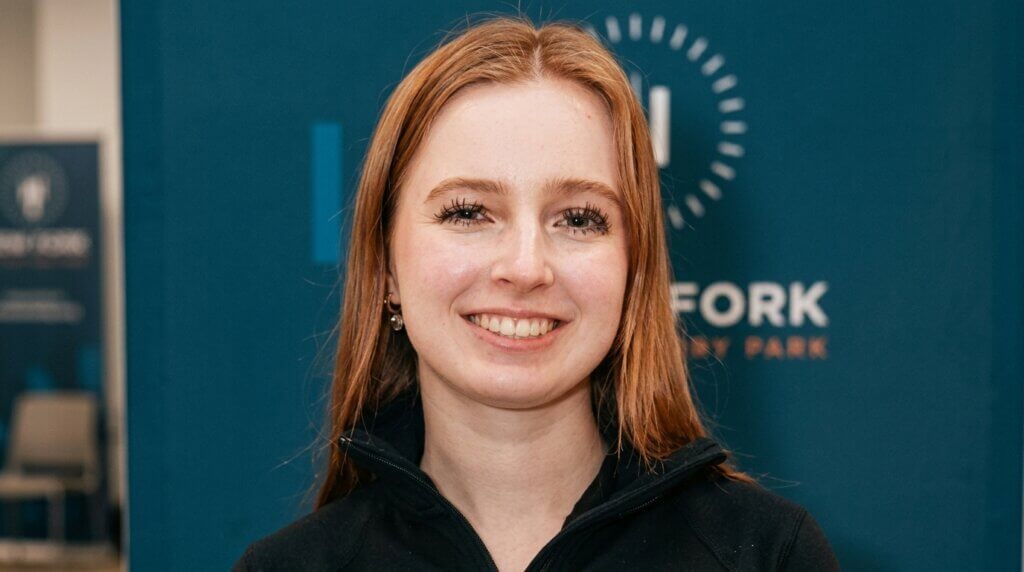
An 18-year-old high school student became impatient when the government did not stop the contamination of her water supply. And therefore constructed her own solution. A homemade filter is a filter that eliminates almost 96 percent of microplastics in drinking water without any costly membranes or complex care. It is being taken seriously by the scientific world.
What Started It
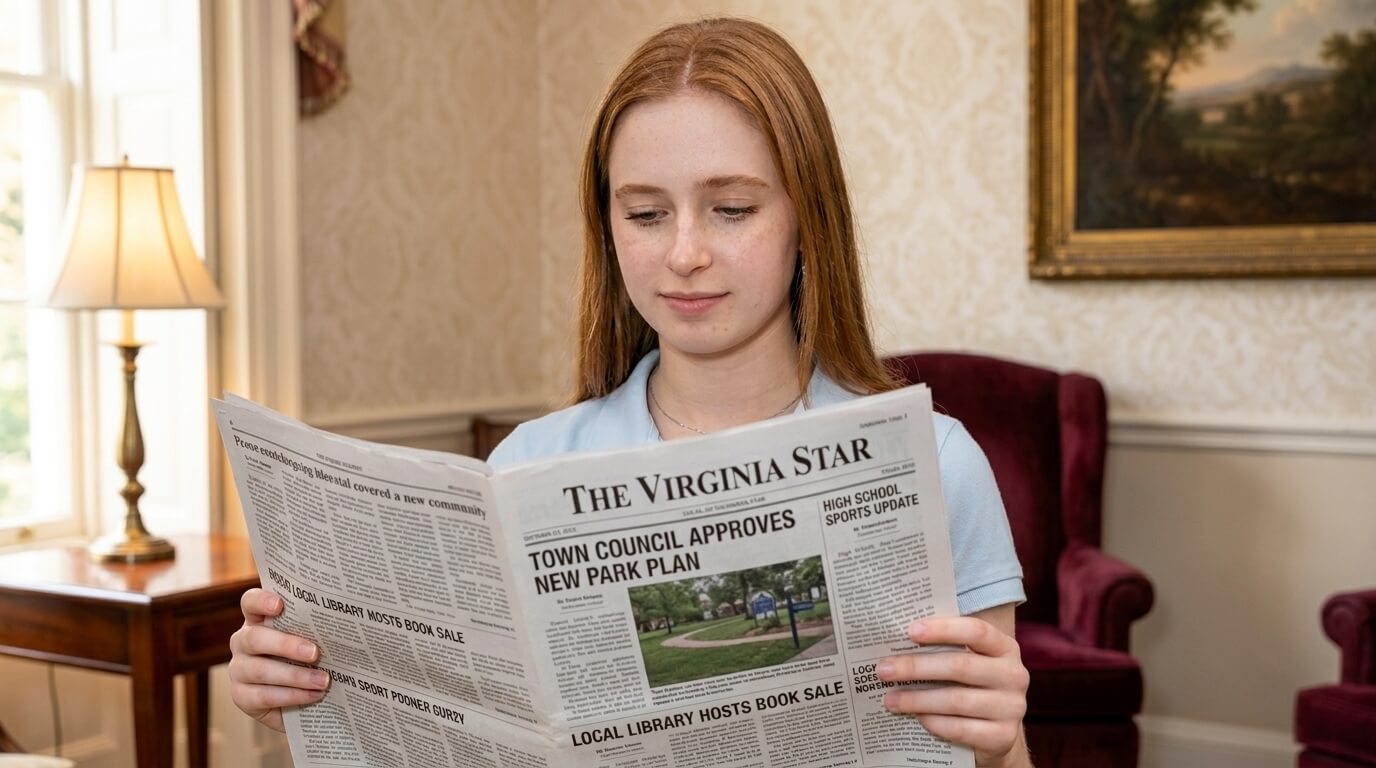
Mia Heller read a local newspaper article in Warrenton, Virginia, about PFAS and microplastic contamination in her neighborhood. Government services confirmed they weren’t receiving funding, leaving residents to act independently. The article changed everything.
The Issue Is Frighteningly Large
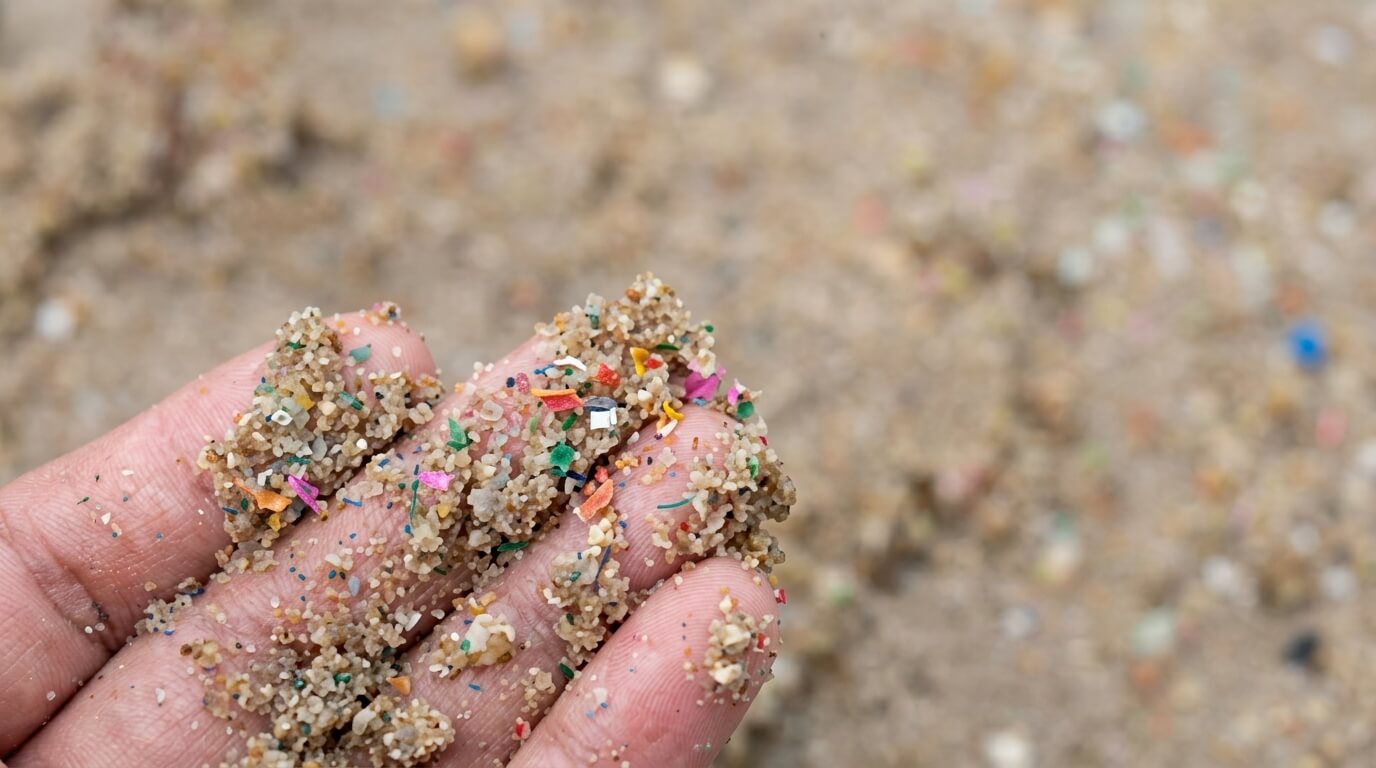
Microplastics are found in over 1,300 species, including humans. Stanford University research confirms that 10 to 40 million metric tons enter the environment annually. They have been detected in human brains and the placentas of unborn babies.
The Clever Solution
ADVERTISEMENT
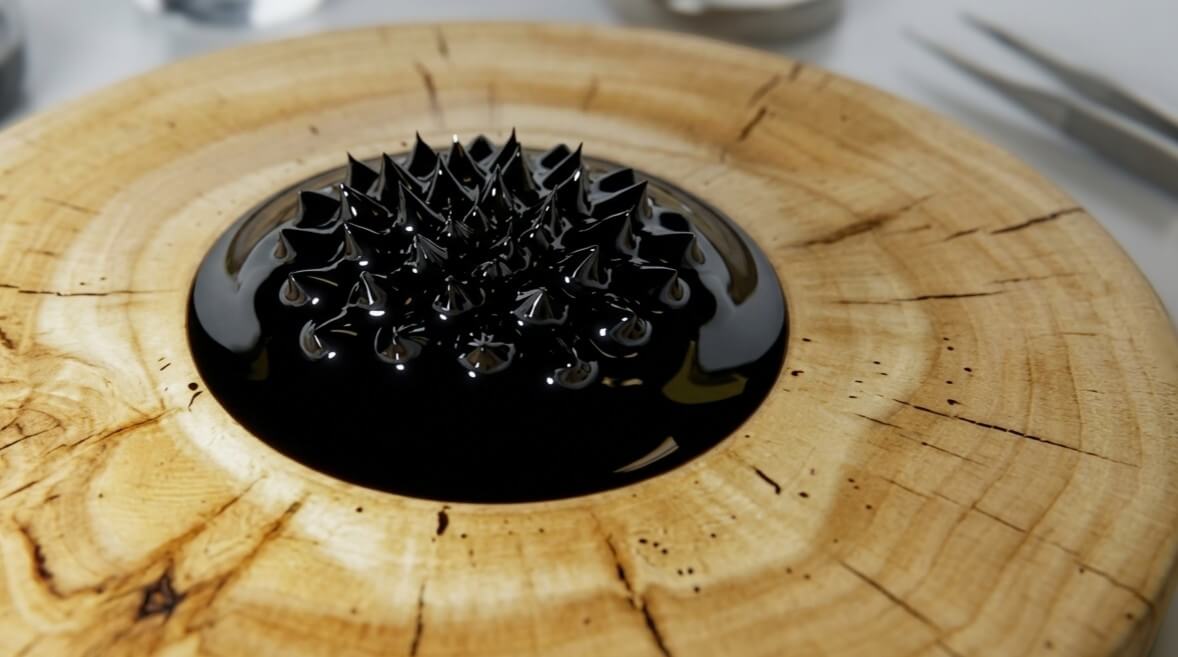
Heller used ferrofluid, a magnetic oil, to attach to microplastic particles as water passes through her system. A magnetic field then removes everything without costly membranes or chemicals. It relies solely on physics.
Three Simple Modules
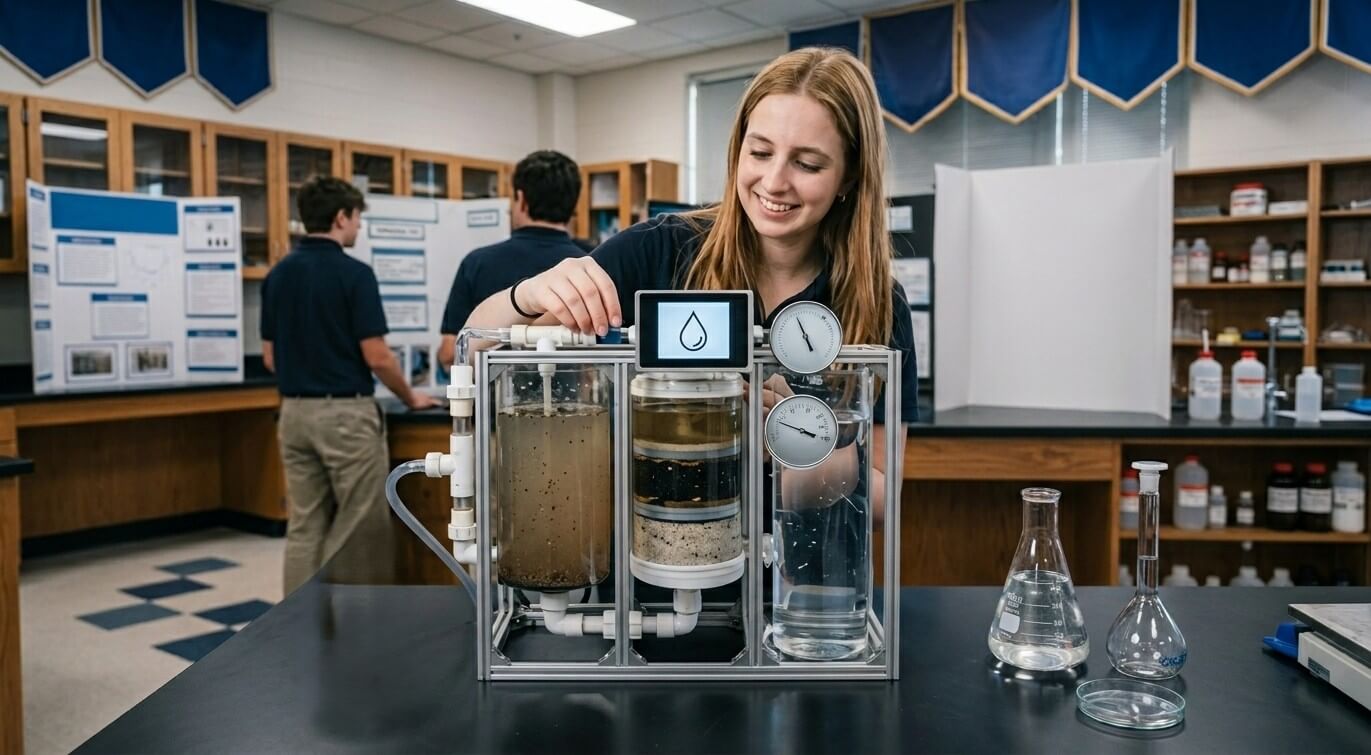
Her prototype is approximately the size of a flour bag. The first one contains polluted water. The latter stocks ferrofluid. In the third one, it is possible to use magnetic separation to draw microplastics out and automatically reuse the ferrofluid to do it again.
The Figures Are Awe-Inspiring
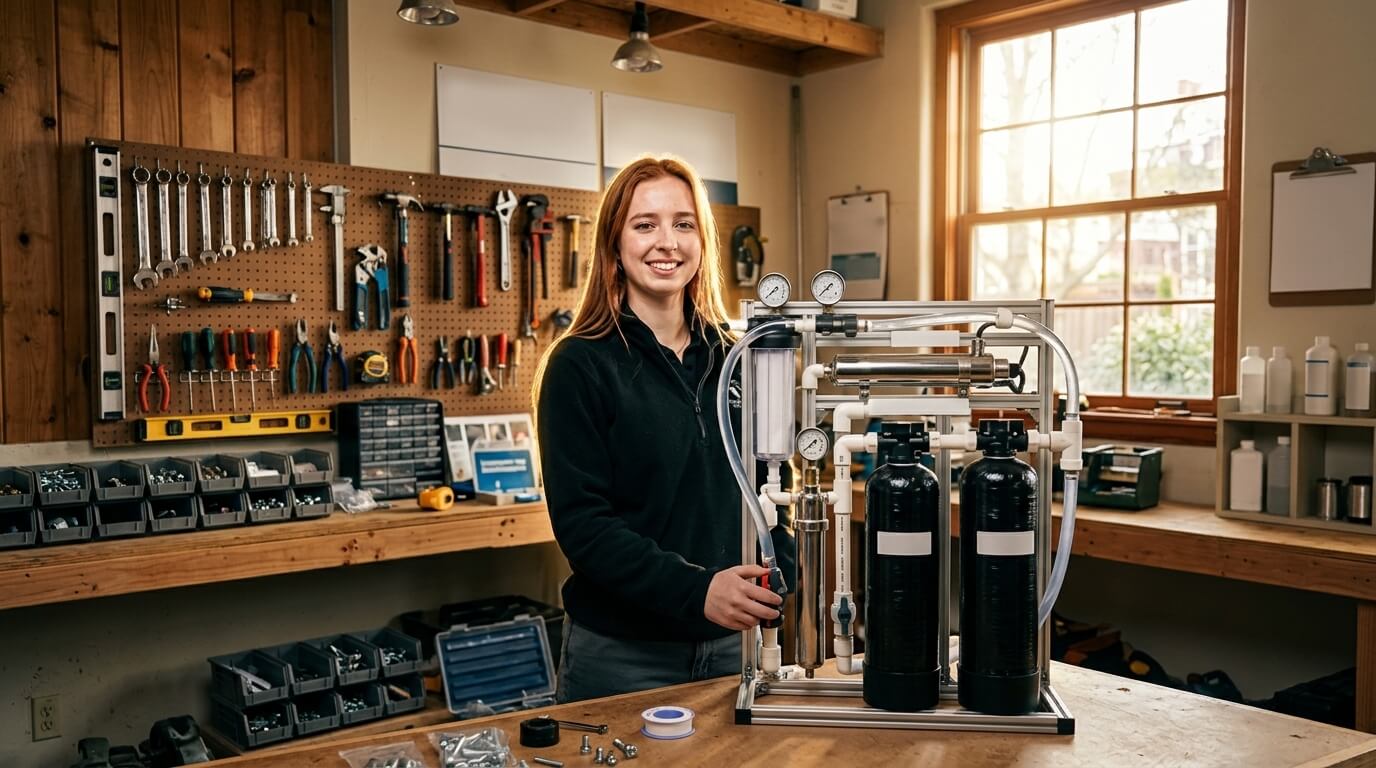
Her prototype eliminated 95.52 percent of microplastics, while conventional treatment plants remove 70 to 90 percent. Heller’s homemade kitchen filter outperforms industrial systems built by resource-rich professionals.
Self-Cleaning Design

ADVERTISEMENT
Initial versions would have to be maintained continuously. Heller continued to repeat this process until her system was able to clean itself automatically, restoring 87.15 percent of the ferrofluid in a closed loop. It was five engineering cycles after that she broke the engineering challenge.
Science Fair Recognition

At the Regeneron International Science and Engineering Fair 2025, Heller was one of almost 1,700 students in 49 states and 62 countries who competed. She was given a special prize by the Patent and Trademark Office Society for her innovative low-cost water filtration technology.
Fits Under Your Sink
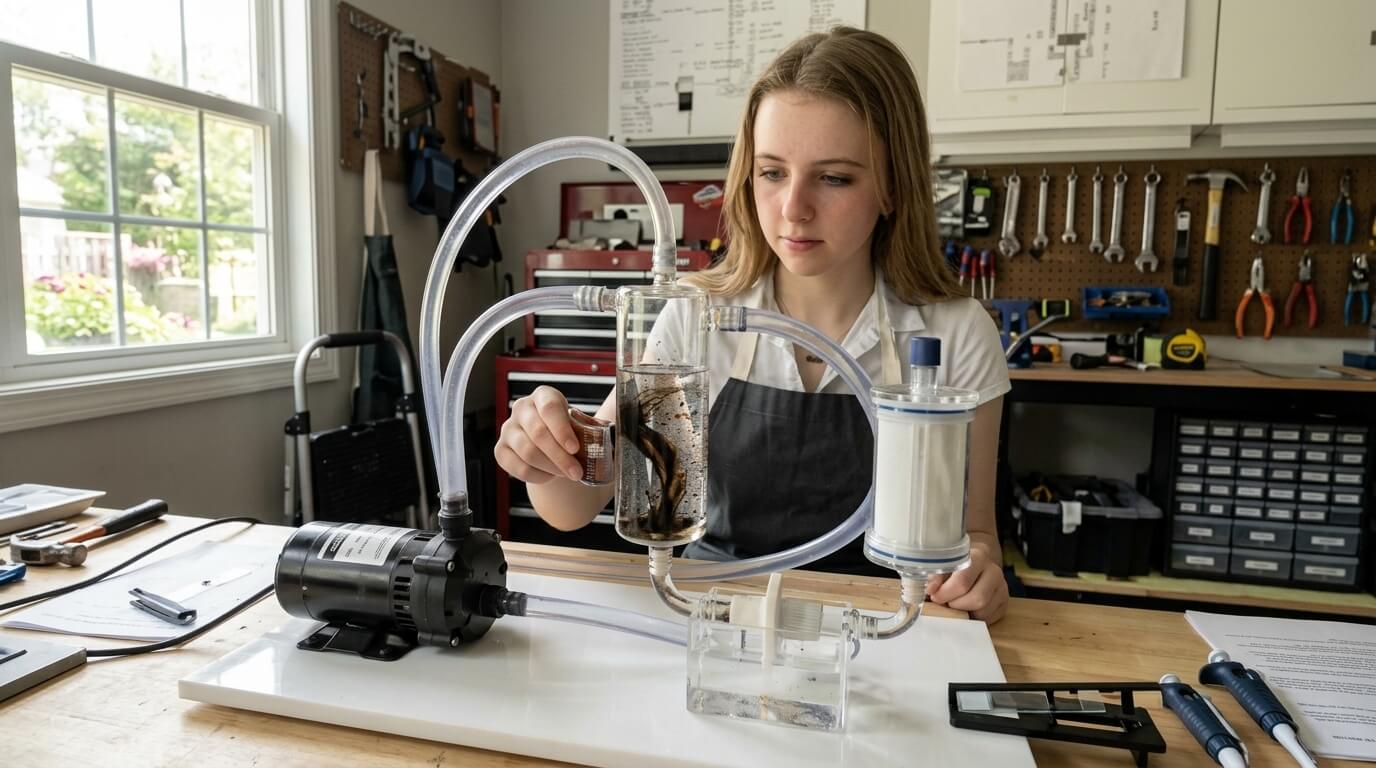
The system she designed was for home use, processing one liter at a time and fitting perfectly in a kitchen sink. It was intended as an affordable, practical solution, not a cruel experiment on American families.
One Challenge Remains

Ferrofluid is expensive to produce in large quantities, hindering city-wide deployment. Heller acknowledges this and views her invention as a domestic solution while professionals continue to test its results.
She Desires To Sell It
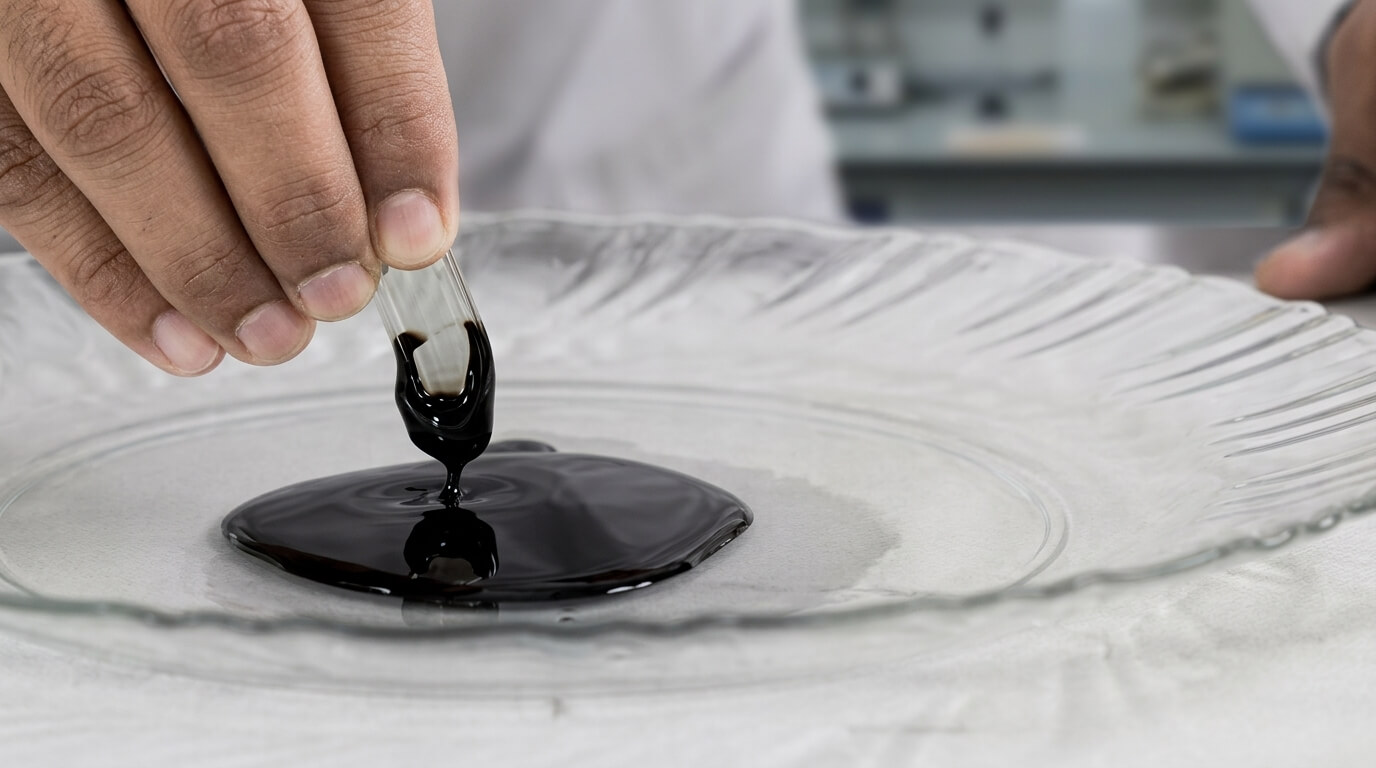
Heller expressed to People magazine her desire to market her canola oil-based ferrofluid, which is safer and more sustainable than industrial options. A teenager may have solved a global issue that governments have ignored.