
Summary:
-
VidCon 2026 lineup features industry conference-like speaker list including Twitch CEO, Pinterest, Tubi execs, Snap, and Spotify.
-
POP.STORE, a creator monetization startup, is the title sponsor launching ECHO-ME, an AI commerce platform for creators at VidCon.
-
VidCon shifts focus to creator monetization, infrastructure, and partnership with new Brand Match Accelerator program, emphasizing business over talent.
VidCon released its 2026 lineup Thursday, and the speaker list reads like an industry conference. Twitch CEO Dan Clancy, Pinterest’s Malik Ducard, Tubi’s Rich Bloom, executives from Snap and Spotify.
This year’s title sponsor is POP.STORE, a creator monetization startup that will use the Anaheim stage to launch ECHO-ME, an agentic AI commerce platform built for creators. For 15 years, VidCon’s top slot has gone to platforms with massive ad businesses or legacy brands buying Gen Z reach. Giving it to a monetization startup and letting that startup set the AI narrative is a tell.
The center of gravity at VidCon is moving away from the platforms creators publish on and toward the infrastructure they cash out through.
The new Brand Match Accelerator program will pair 200 Featured Creators with an invitation-only group of approved brands, agencies, and sponsors for four guaranteed on-site meetings. It’s a more structured version of the kind of dealmaking that has historically happened informally on the convention floor. AI programming across the show leans toward payments, agents, and back-end tools rather than content generation. And the term VidCon keeps using, creator-operator, is doing real work in the framing.
It positions the creator as the business, not just the talent behind it.
TikTok, the platform that mints more new creators than any other, isn’t on the announced lineup. Neither is a serious conversation about the labor conditions, burnout economics or platform dependency that have defined the last two years of creator discourse.
ADVERTISEMENT
That framing is a reasonable fit for an event increasingly oriented toward enterprise partnerships. It is also a choice. The creator economy is not maturing on its own. It is being shaped by the platforms, sponsors and service providers with the most to gain when creators operate like small companies.
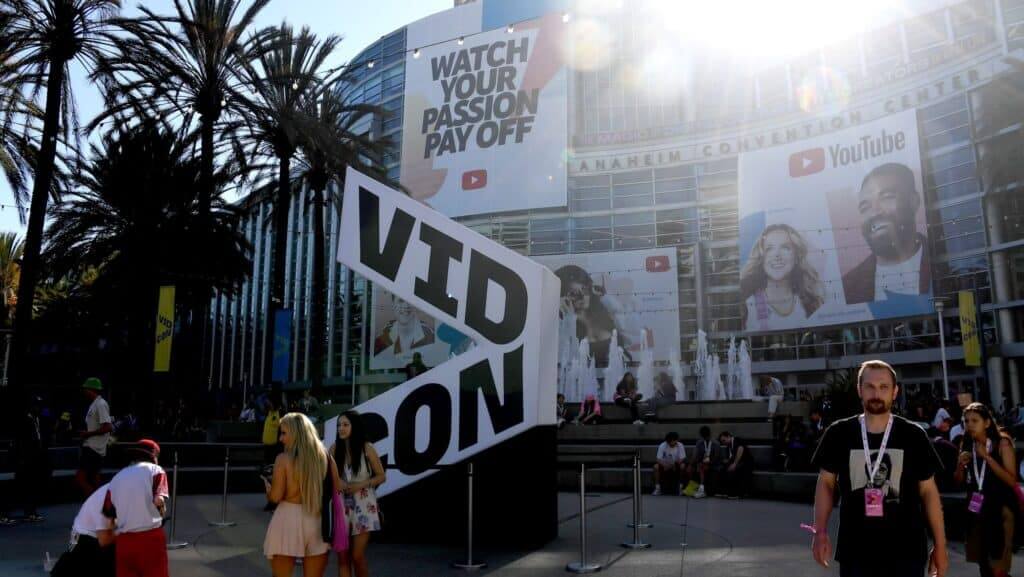
The show runs June 25 through 27 at the Anaheim Convention Center.