
Summary:
-
More than 3,400-year-old metal items found on a volcanic hill in Hungary shed light on ancient activity and rituals.
-
Discovery of hundreds of metal artifacts dating back 3,400 years provides insight into early Hungarian societies.
-
Advanced metalworking evidence and indications of commerce and potential ritual implications uncovered on the hilltop site.
More than 3,400-year-old metal items on a mysterious volcanic hilltop in Hungary have been discovered by archaeologists. This extraordinary finding provides new information regarding the ancient activity, trade and rituals of man- it throws light on a very interesting period of prehistoric life in Central Europe.
On the Hill of Volcanic Origin, There is A Hidden Treasure

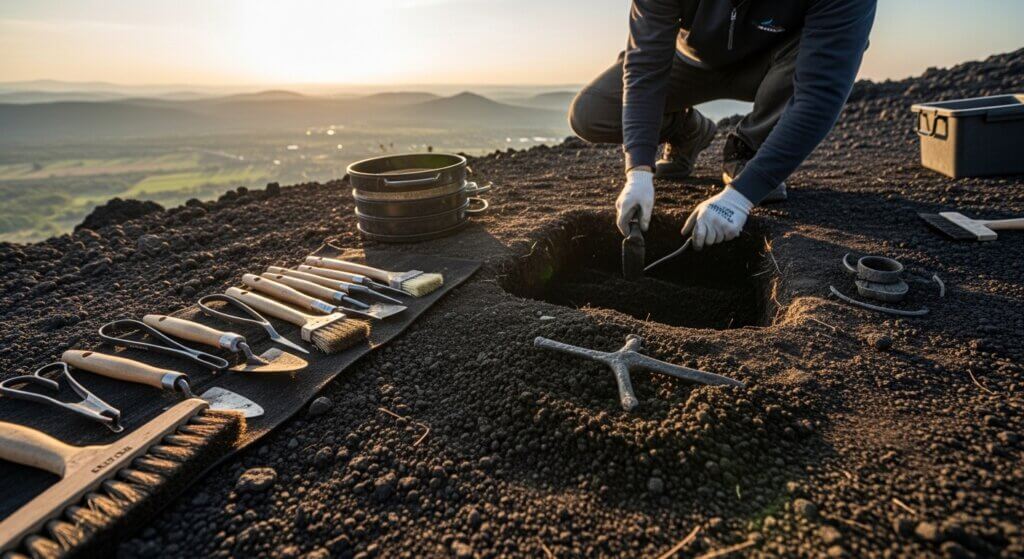
It was found on a volcanic hill, which could have been a strategic or spiritual place. It is high up indicating that the ancient inhabitants of the present-day Hungary might have held rituals, defenses, or meetings.
ADVERTISEMENT
Hundreds of Metal Artifacts Uncovered
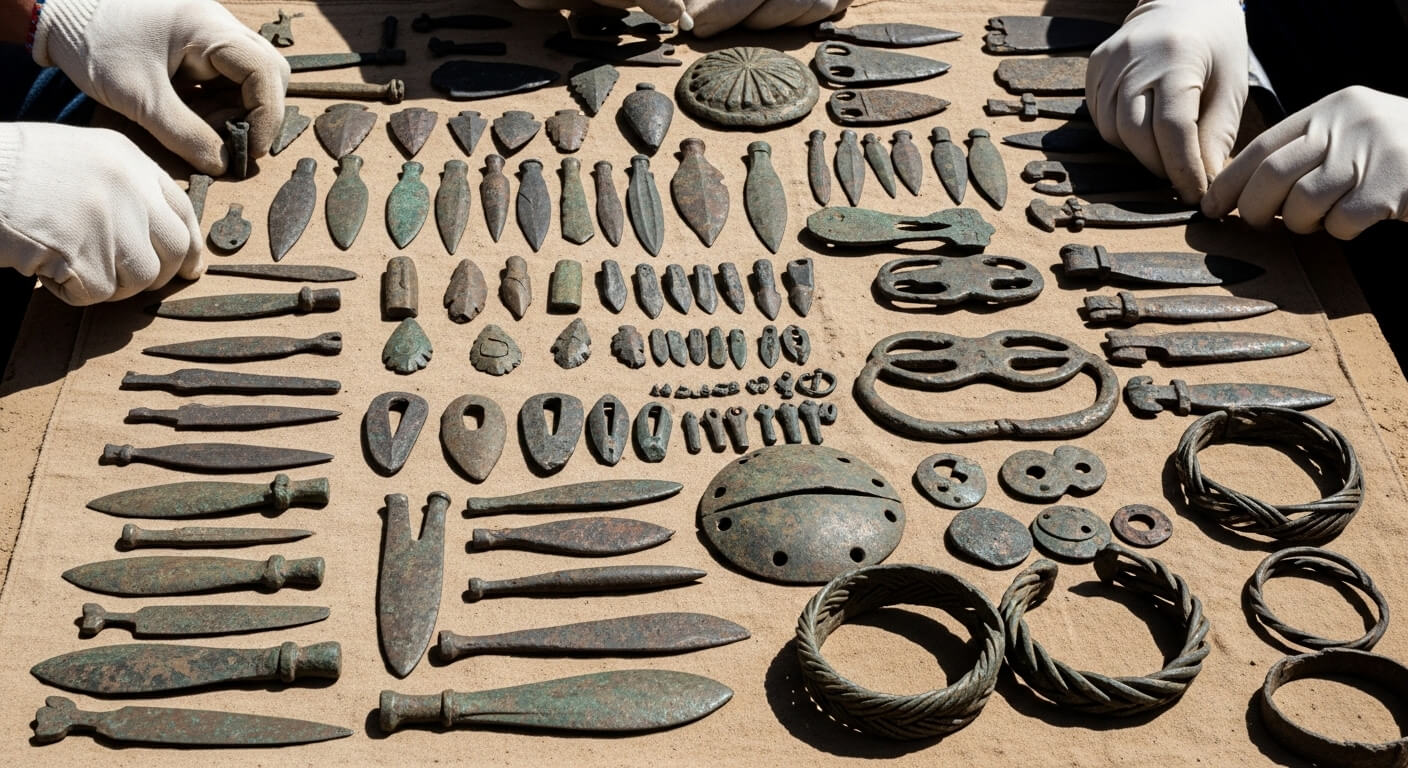
Archeologists discovered a big treasure trove of metal tools, decorations and probable weapons. Thousand-year-old artifacts offer a great deal of information about the craftsmanship and everyday life in early societies in Hungary.
Dating Back 3,400 Years
ADVERTISEMENT
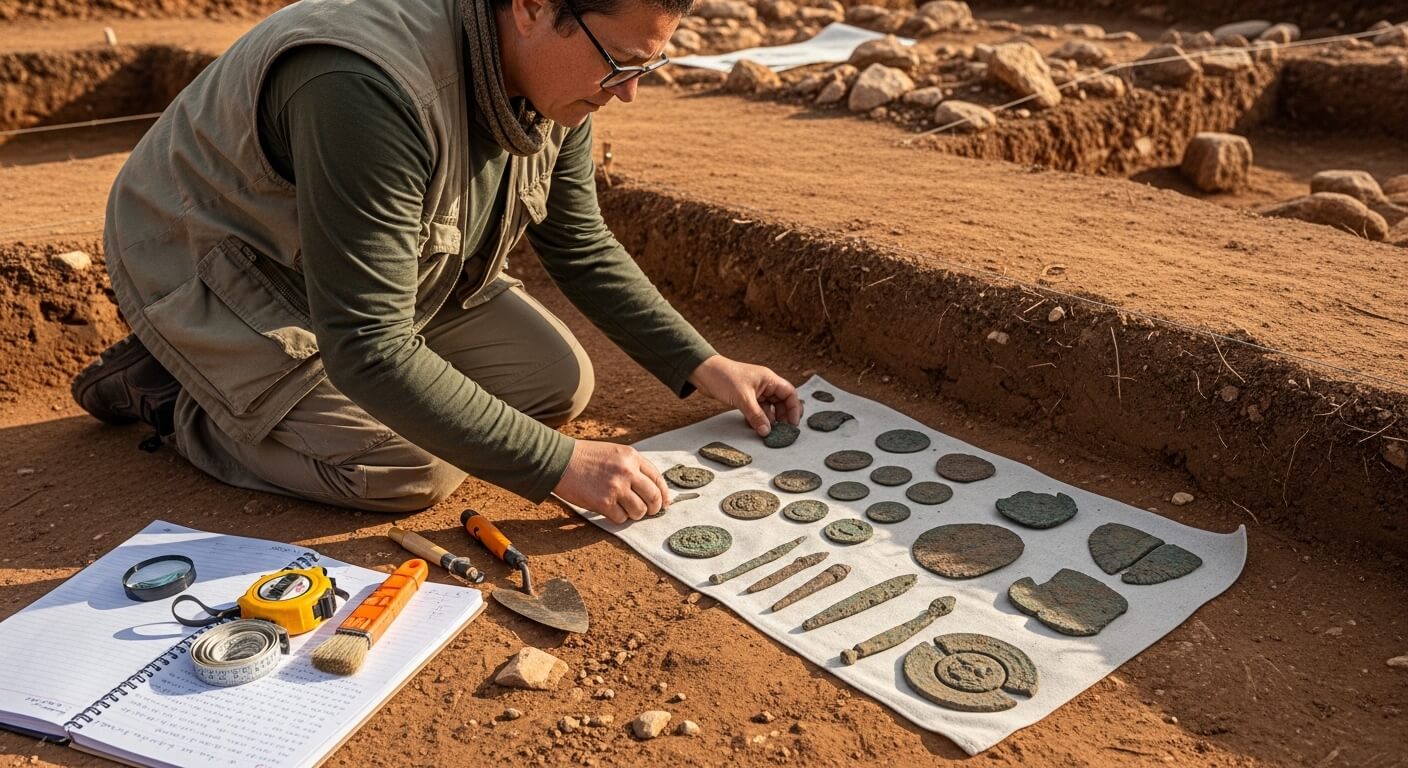
The artifacts date to be approximately 3,400 years old and that is late Bronze Age. This was a time of tremendous technological and cultural growth and therefore the findings are particularly valuable in explaining early European civilizations.
Advanced Metalworking Evidence

The existence and richness of the objects indicate that the ancient societies had the skills of a good metalworking process. These facts show that individuals in Hungary were not simply making tools, but also decorative and probably symbolic objects.
Indications of Commerce and Interconnections
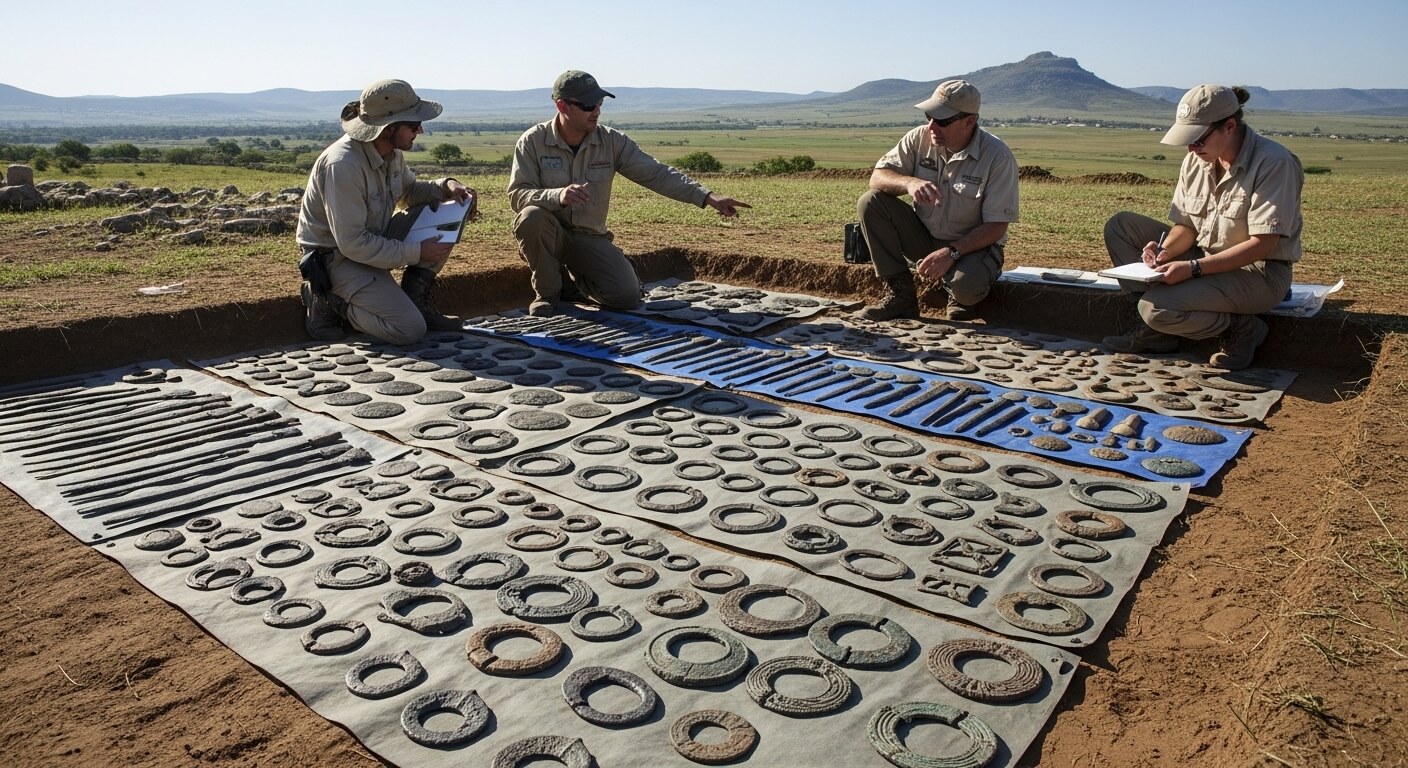
A few of the artifacts could have been imported to a different place, which is an indication of the early trading routes. This implies that people living in this region were not isolated in their own cultural and economic circles, but rather they exchanged goods and ideas with other people in their environment.
Potential Ritual Implication
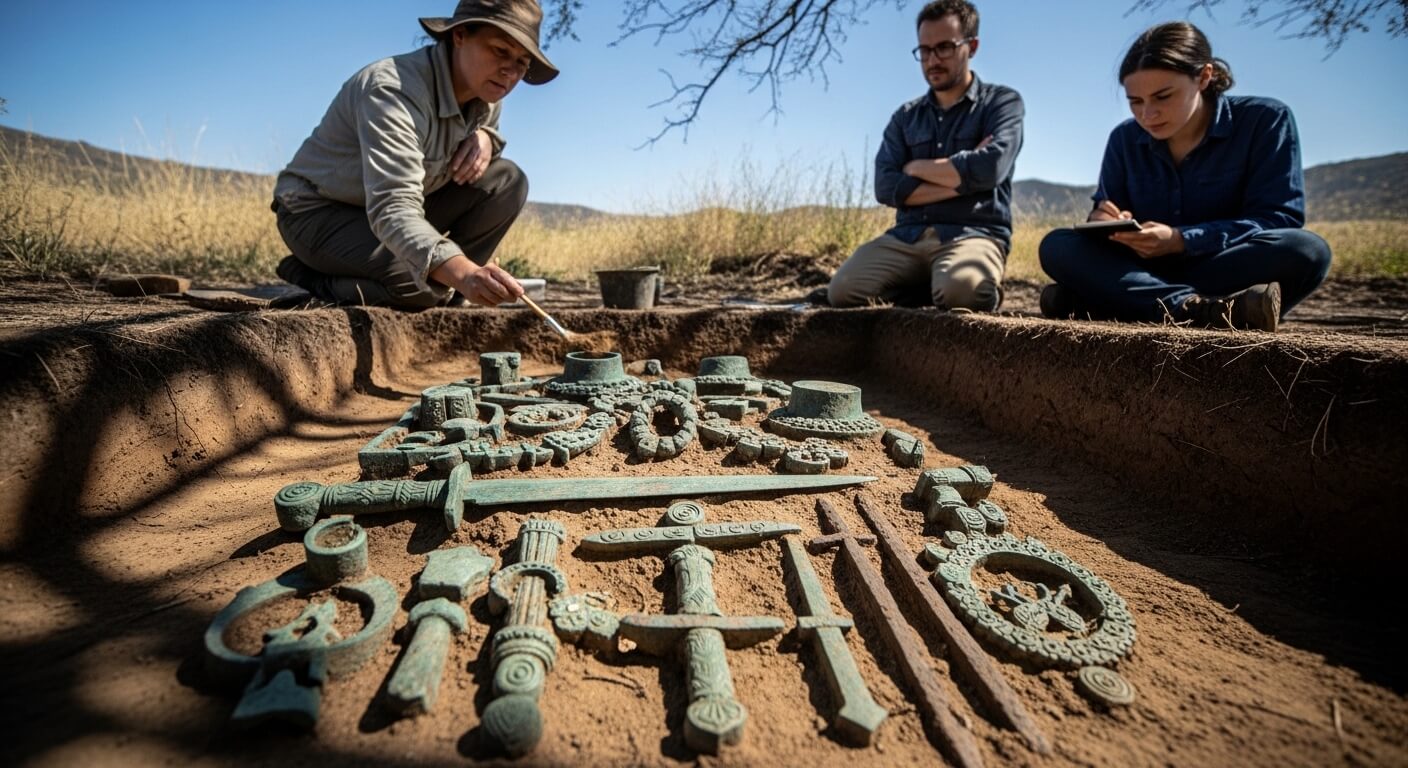
It is also suspicious that objects are concentrated on one location, and it contains a question of the purpose of objects. The archaeologists have speculated that the place could have served as a ritual offering as valuable objects were intentionally deposited as part of the spiritual or ritual activities.
Why a Volcanic Hilltop?

The location of the volcanic hilltop might be a symbolic one. High and strange scenery was commonly linked with religious ideologies in ancient society. One of the reasons why this place was considered holy or relating to supernatural powers could be the reason.
The Discovery Was Aided by Modern Technology
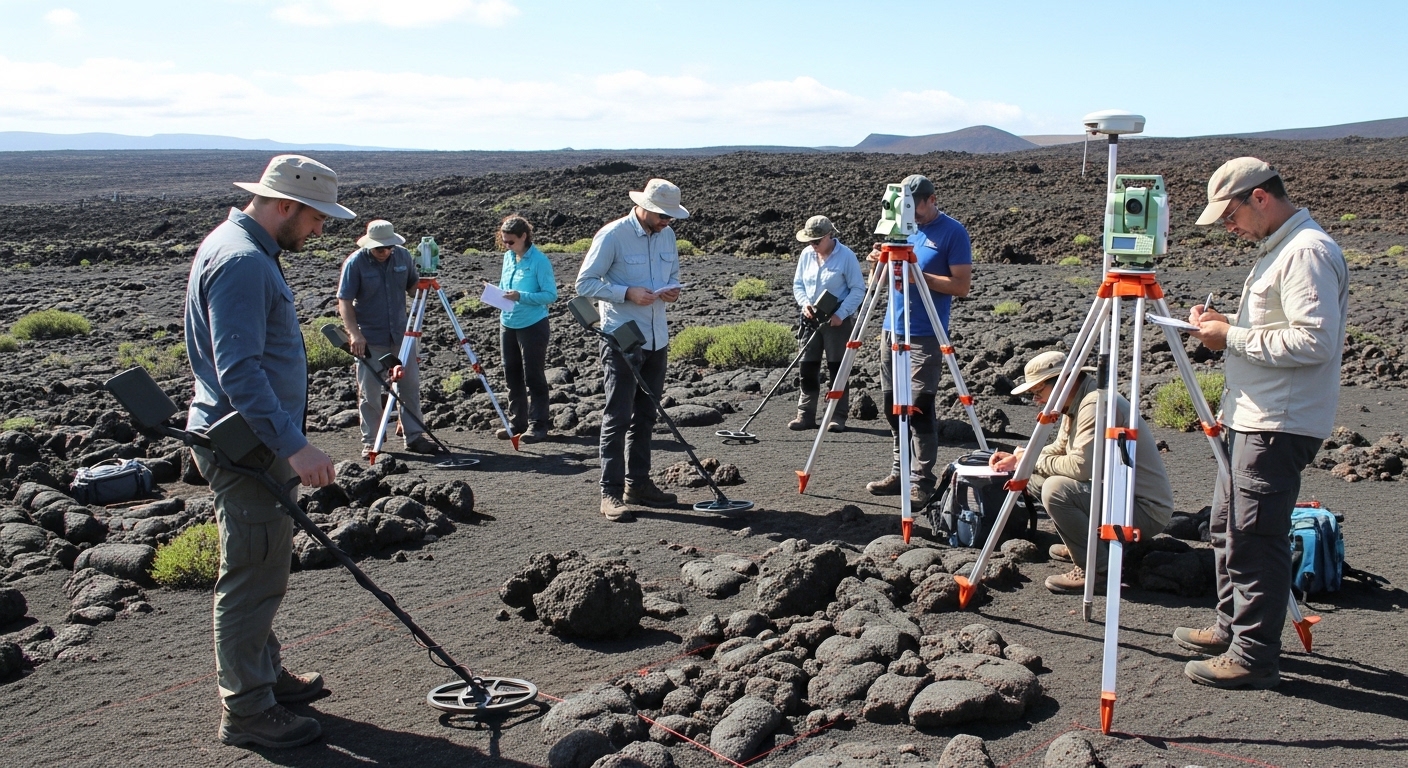
The use of advanced archaeological techniques such as metal detection and surveying techniques facilitated in unearthing the artifacts but at the same time did not harm the site. These instruments enable researchers to learn about the olden days more accurately and cautiously.
Acquiring Prehistoric European Understanding

The finding makes significant contributions to the knowledge about prehistoric life in Hungary. It illustrates the intricacy of ancient communities and their capacity to organize, create and associate with others.
The Future of Researchers
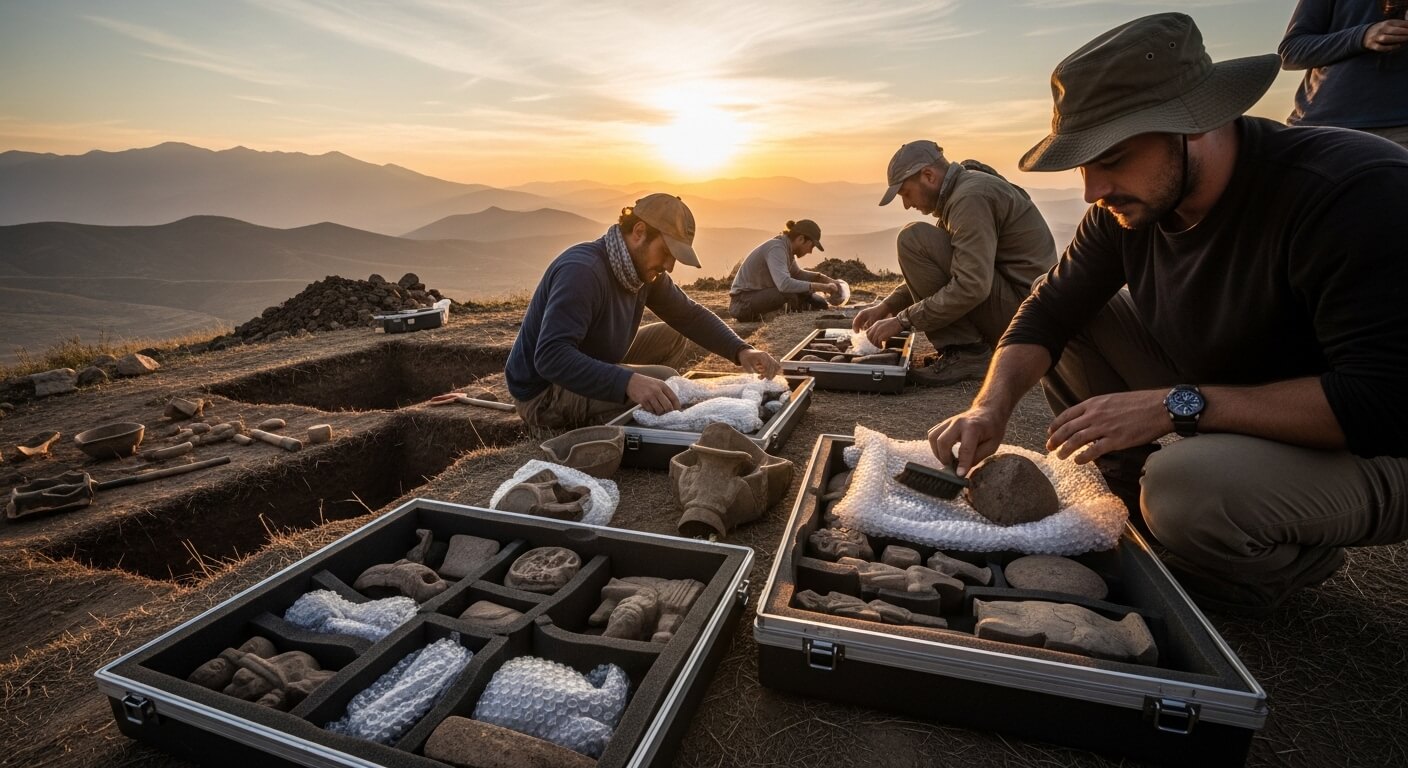
The archaeologists will keep examining the objects to get more information about its origin and utilization. Every artifact can unfold new facts about the former residents of the place, and learn more about human history.