
Summary:
-
NASA discovers impossible exoplanets, including glass-rain nightmares and the darkest world. Scientists re-evaluate planet formation processes.
-
Rogue Wanderer, Glass-Rain Nightmare, and Darkest World among NASA’s recent discoveries of strange exoplanets.
-
Universe surprises with Lemon-Shaped, Marshmallow, and Mirror Worlds, challenging existing theories in planetary science.
NASA has discovered dozens of exoplanets that are so weird that NASA calls them just plain impossible. Planets that are dropping molten glass and planets that are isolated in complete darkness are amongst the discoveries that are making scientists re-evaluate the processes of planet formation.
The Rogue Wanderer
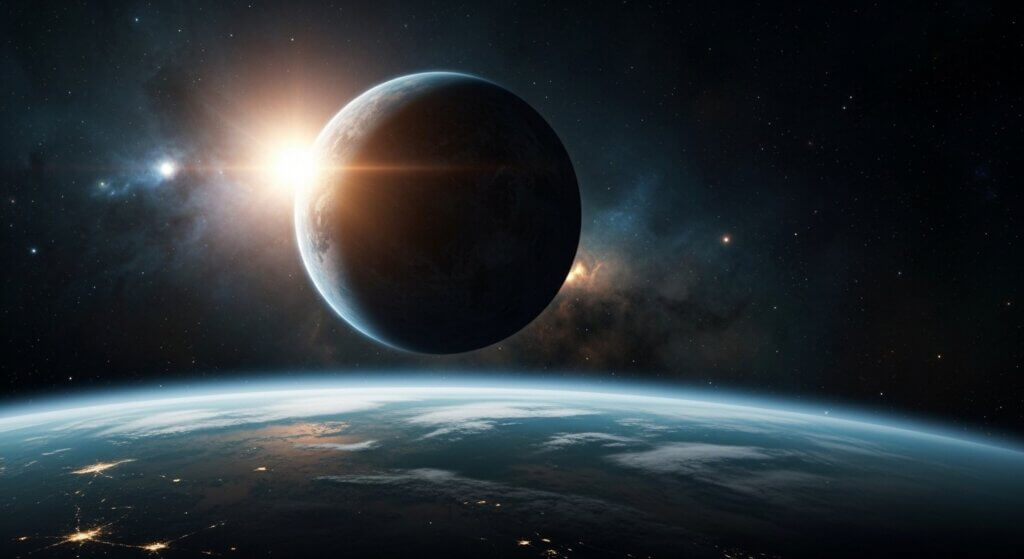
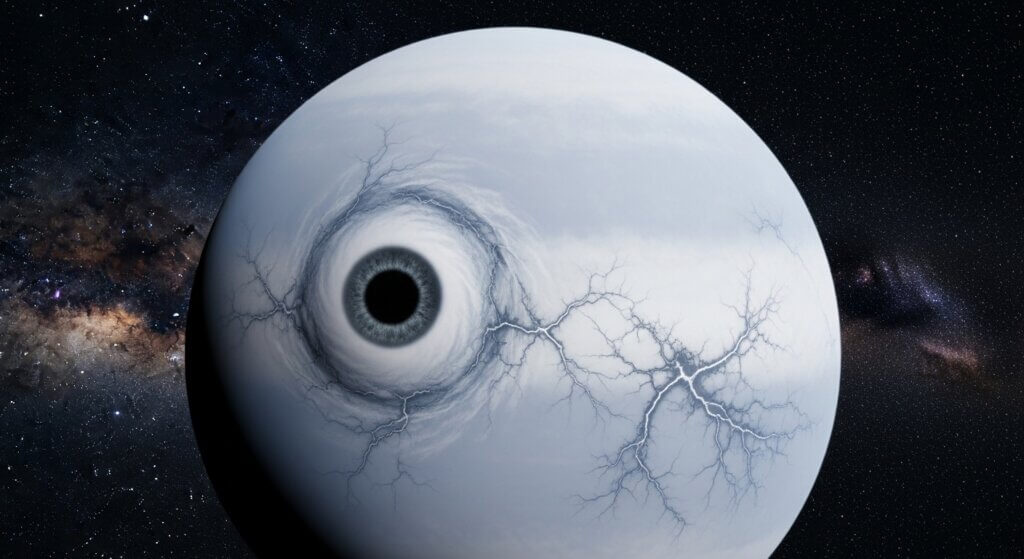
This is a planet that is not in orbit of a star. It is the sole, dimly burning, fragment of leftover heat of its origin drifting through the void of deep space and having no sun, no system and no idea of a destination.
ADVERTISEMENT
The Glass-Rain Nightmare
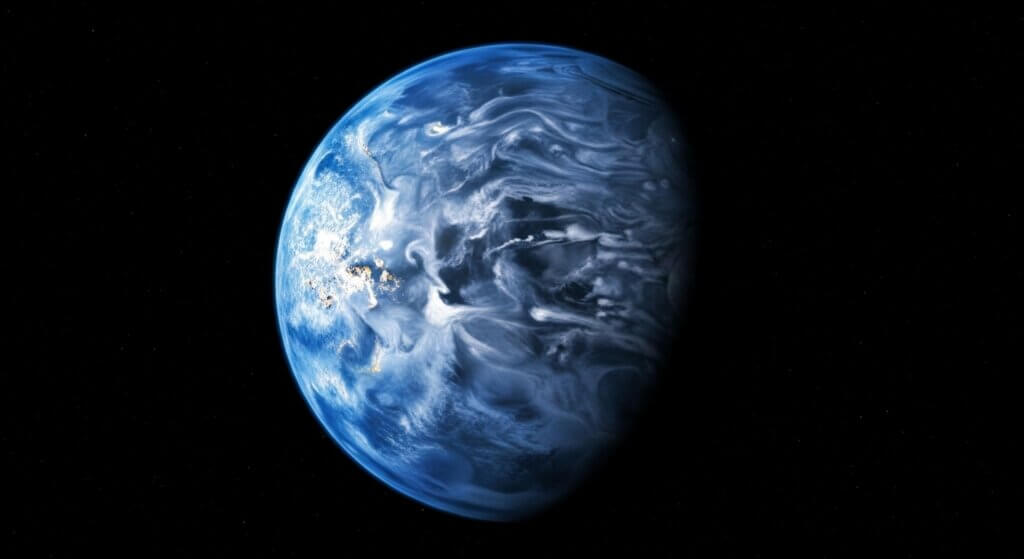
HD 189733b looks like Earth on the surface, though the blue color is formed due to silicate clouds. It is probable that these clouds create sideways rain of molten glass which gets pushed by very strong winds, up to 5,400 miles per hour.
The Darkest World
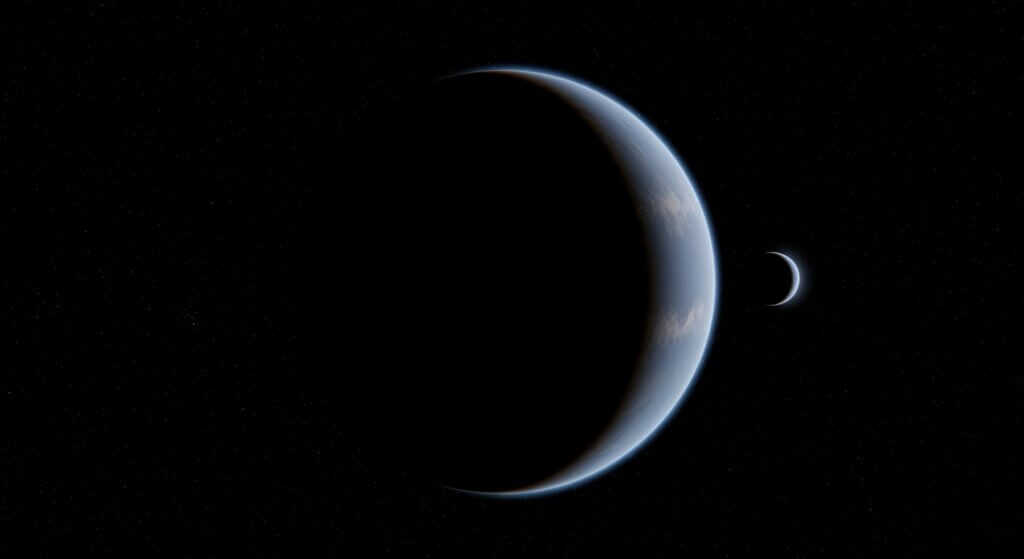
This planet is darker than coal, and lower than one percent of the incoming light is reflected. It would seem like almost total darkness even in the broad daylight, were it viewed at close quarters.
ADVERTISEMENT
The Lemon-Shaped World
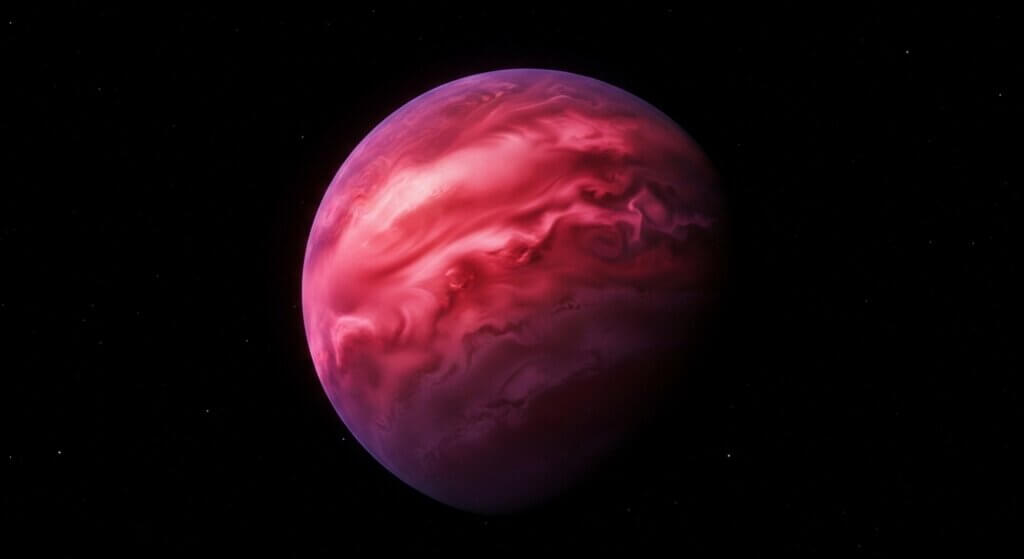
PSR J2322-2650b revolves around a neutron star so close that its gravity is very strong and warps it into a stretched lemon form. It has been abnormally deformed, as seen, which other models of this field have difficulties explaining fully.
The Marshmallow Planet
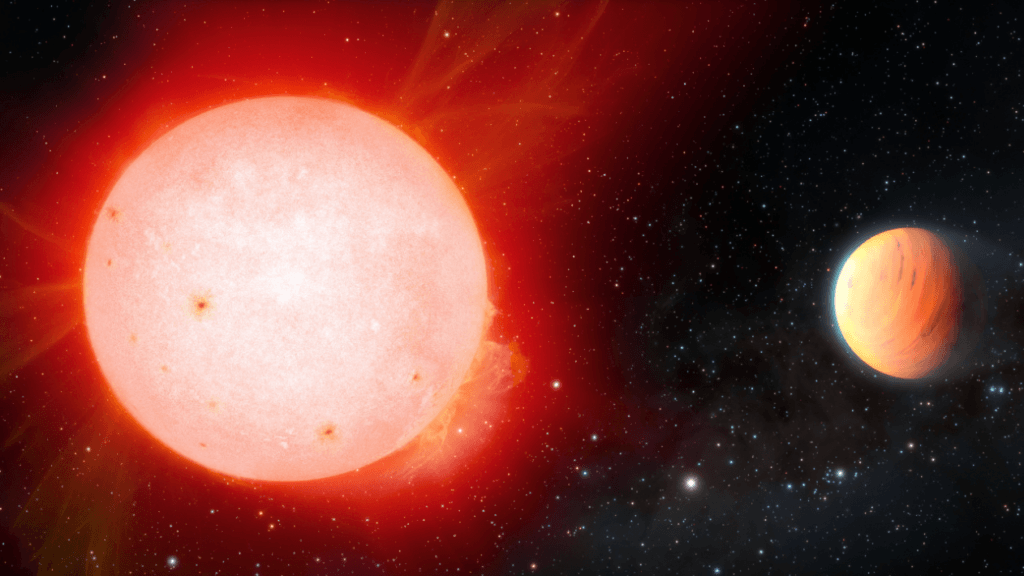
TOI-3757b is an atypically low-density gas giant with a red dwarf star. It is so loosely formed to the extent that it has even been likened to a marshmallow-like planet, whose atmosphere was incredibly fluffy.
The Mirror World
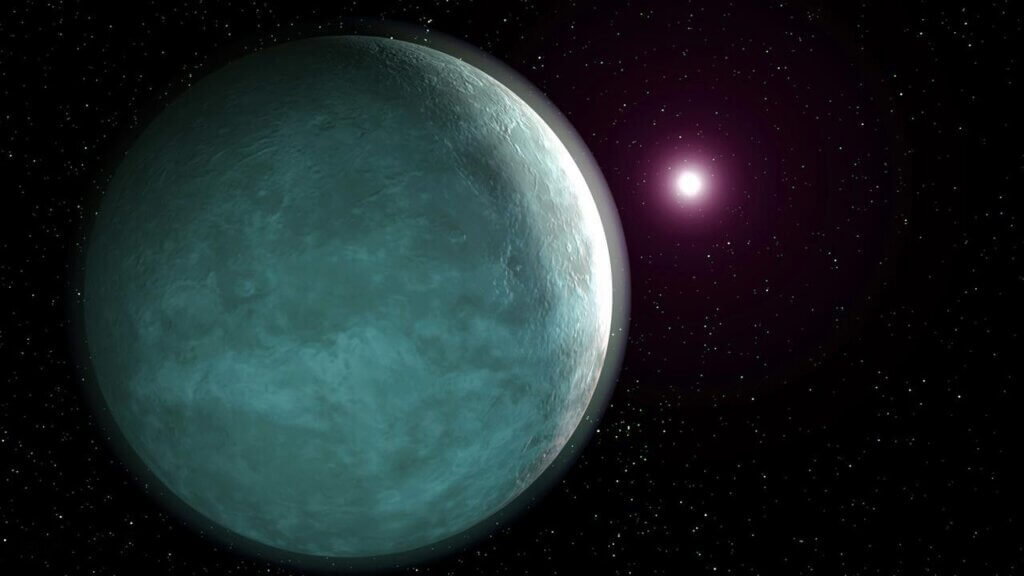
LTT 9779b is in a field with planets of its size, being a rarity. It is considered to be one of the most reflective known exoplanets, as it reflects approximately 80% of the light of its star, contrary to expectations.
TOI-6894b: A Giant Orbits A Small Star
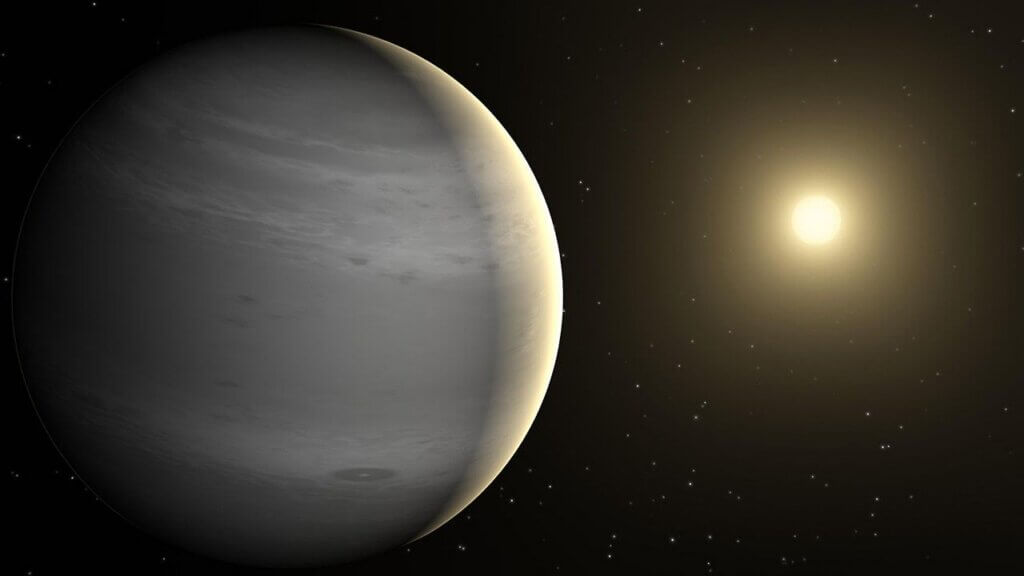
TOI-6894b was discovered by NASA TESS and observed by ground telescopes. It is a Saturn-sized planet around a star with a mass that is merely a fifth that of the Sun. Its formation is still challenging to model in the existing models.
The Universe Is Stranger Than We Thought
Having more than 6,000 verified exoplanets, even the addition of new ones makes a difference and creates contradictions to existing theories. These worlds are not isolated exceptions; they underline the extent to which planetary science is not yet fully developed, and how unfamiliar it is.